-
(818) 833-8737
13521 Hubbard St.Sylmar, CA 91342
- Login
Happy Halloween • History of Halloween
Posted on 10/31/2025
Halloween originated from the ancient Celtic festival of Samhain, which marked the end of summer and the harvest and the beginning of the dark, cold winter. The Celts believed that on the night of October 31st, the boundary between the worlds of the living and the dead became blurred, allowing spirits to return to Earth. They would light bonfires and wear costumes to ward off ghosts. Later, the Roman Empire combined Samhain with their own festivals, and as Christianity spread, the church established All Saints' Day on November 1st, making October 31st "All Hallows' Eve," or Halloween.
This video explains the ancient origins of Halloween:
- Festival: The ancient Celts celebrated Samhain, a harvest festival that marked their New Year and the start of winter.
- Spirit world: They believed the veil between the living and the dead was thinnest on the night of October 31st, allowing spirits to return to the physical world.
- Costumes and bonfires: To protect themselves, people would wear costumes, often made of animal skins, to either blend in with or ward off the spirits. Communities also lit large bonfires for protection.
- Offerings: The Celts also made offerings of food and drink to honor their ancestors and appease wandering souls.
- Roman influence: The Roman Empire conquered Celtic lands and merged Samhain with their own festivals, including Feralia to honor the dead and a celebration for Pomona, the goddess of fruit. The tradition of bobbing for apples may have originated from this festival, notes ClickView.
- Christian adaptation: In the 8th century, the Catholic Church established All Saints' Day on November 1st to honor all saints. The evening before became known as "All Hallows' Eve," which was later shortened to Halloween.
- Immigration and evolution: European immigrants brought their Halloween traditions to America, and the holiday became more of a community and social event in the 19th century.
- Trick-or-treating: The practice of trick-or-treating was revived in the mid-20th century, eventually becoming a central tradition for children and a major source of candy sales today.
- The jack-o'-lantern: The tradition of carving faces into pumpkins for jack-o'-lanterns was adopted by Irish and Scottish immigrants in America, who found pumpkins to be larger and easier to carve than the turnips they used in their homeland, according to The Library of Congress.

FIRE • Be Ready • Tree Dangers
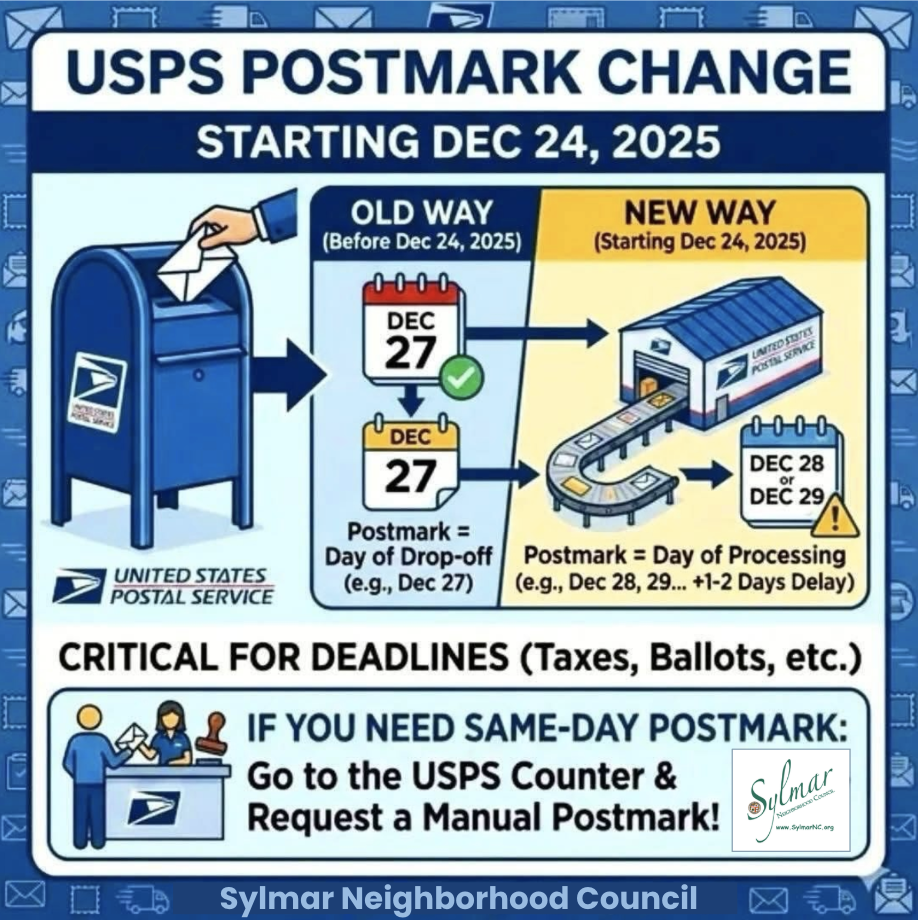
US Post Office Information
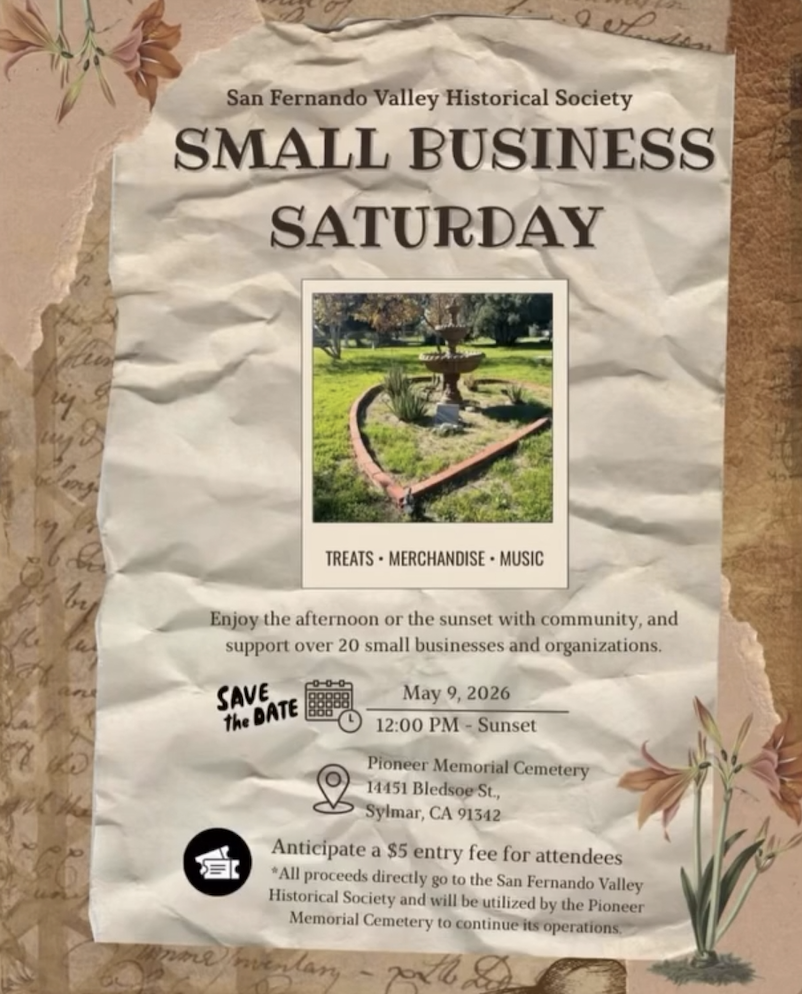
Small Business Saturday • May 9th

Sign-Up • Receive Agendas
Upcoming Meetings & Events

Sylmar Community Calendar


MyLA311


My LA 311
Area Boundaries and Map
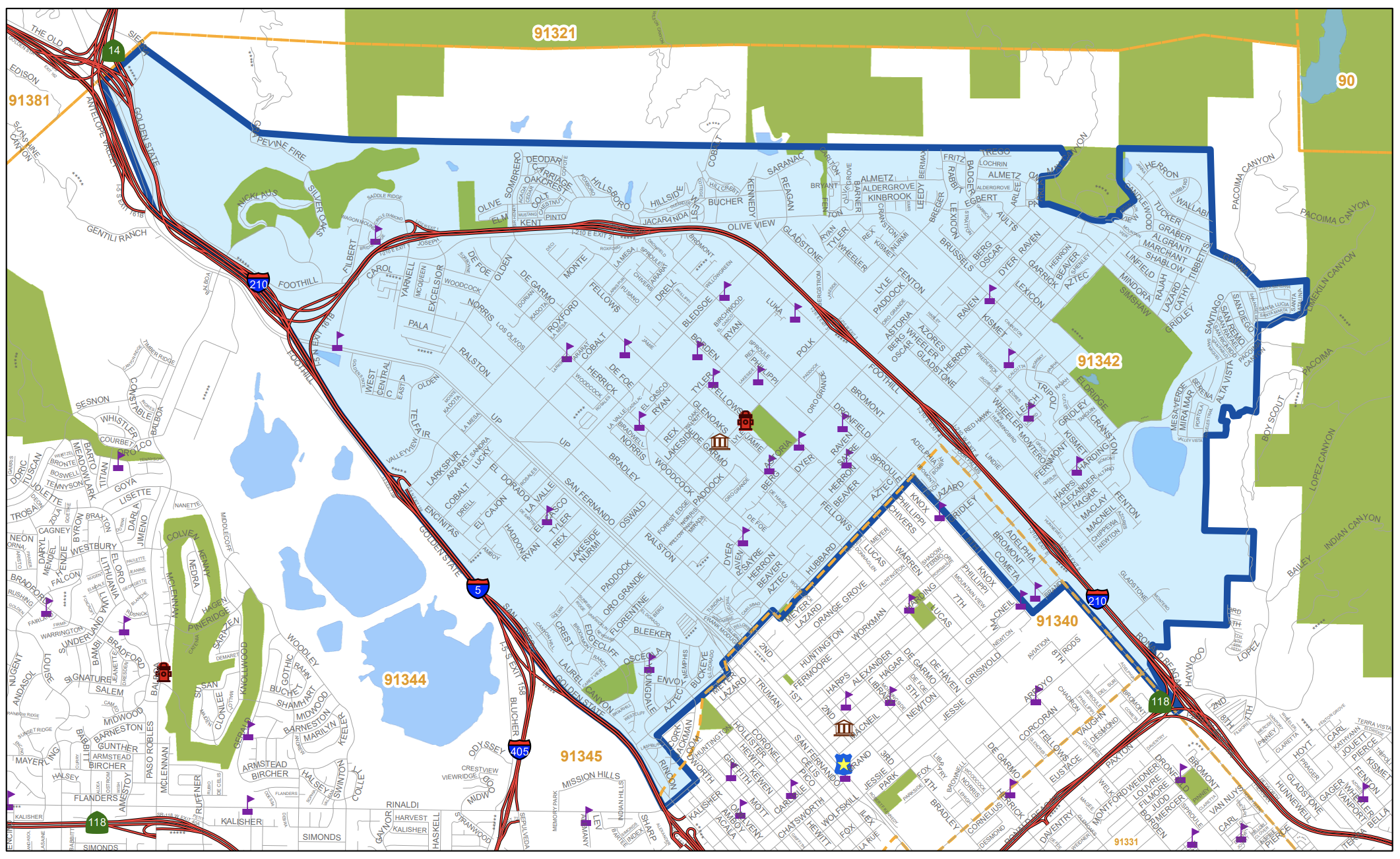
View our neighborhood council boundaries for which we deal with.

EMPOWER LA

NEIGHBORHOOD COUNCIL CALENDAR & EVENTS
The public is invited to attend all meetings.

NEIGHBORHOOD COUNCIL FUNDING SYSTEM DASHBOARD
SUBSCRIBE TO NC MEETING NOTIFICATION

Los Angeles Open Data Portal
© 2026 Sylmar Neighborhood Council.