Are Mosquitoes Bothering You?
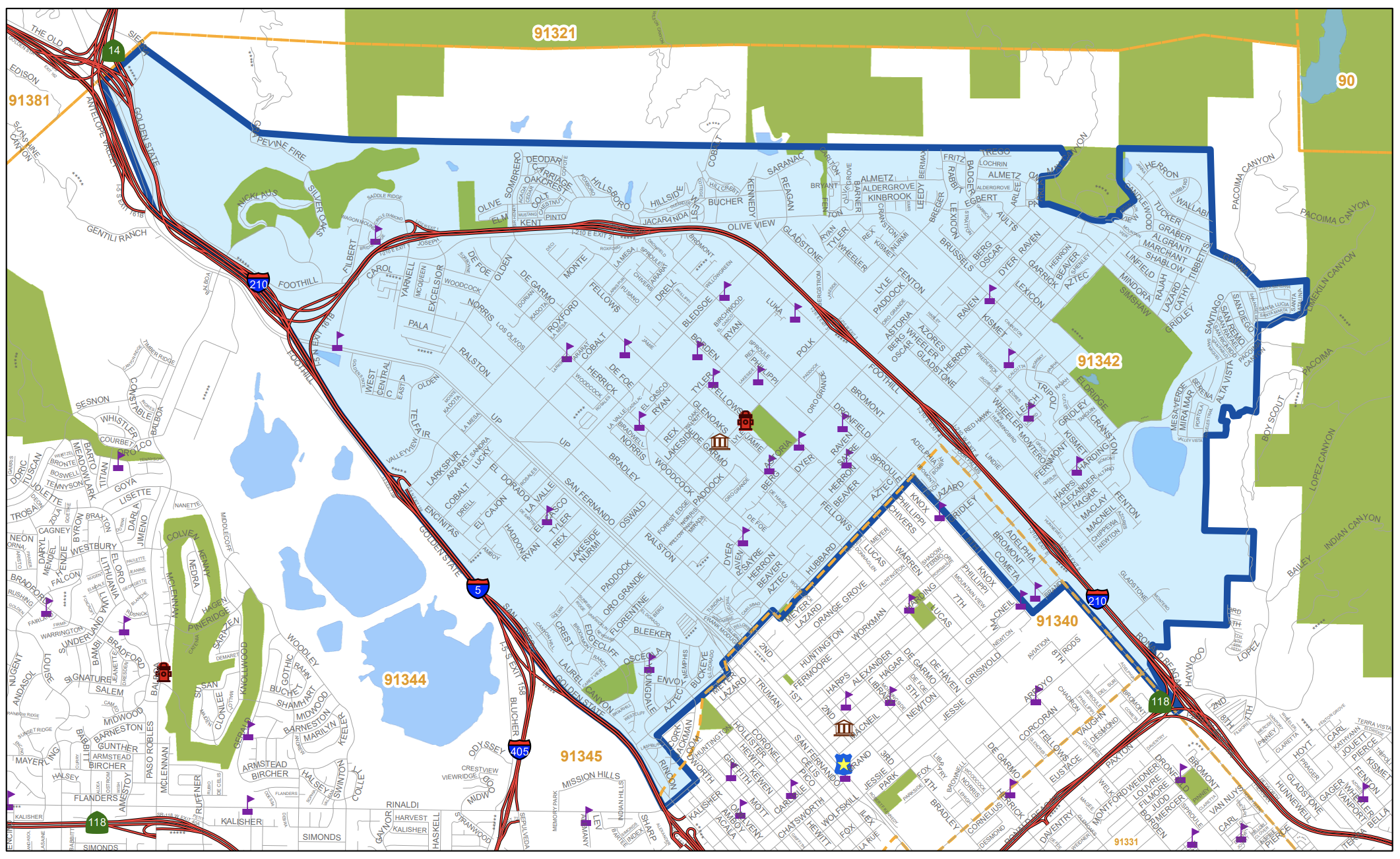
Have you searched for every possible source that can hold up to a spoonful of water and can’t find where the mosquitoes are coming from? Our services are AT NO EXTRA COST to our residents. We do inspections and, if necessary, treatments.
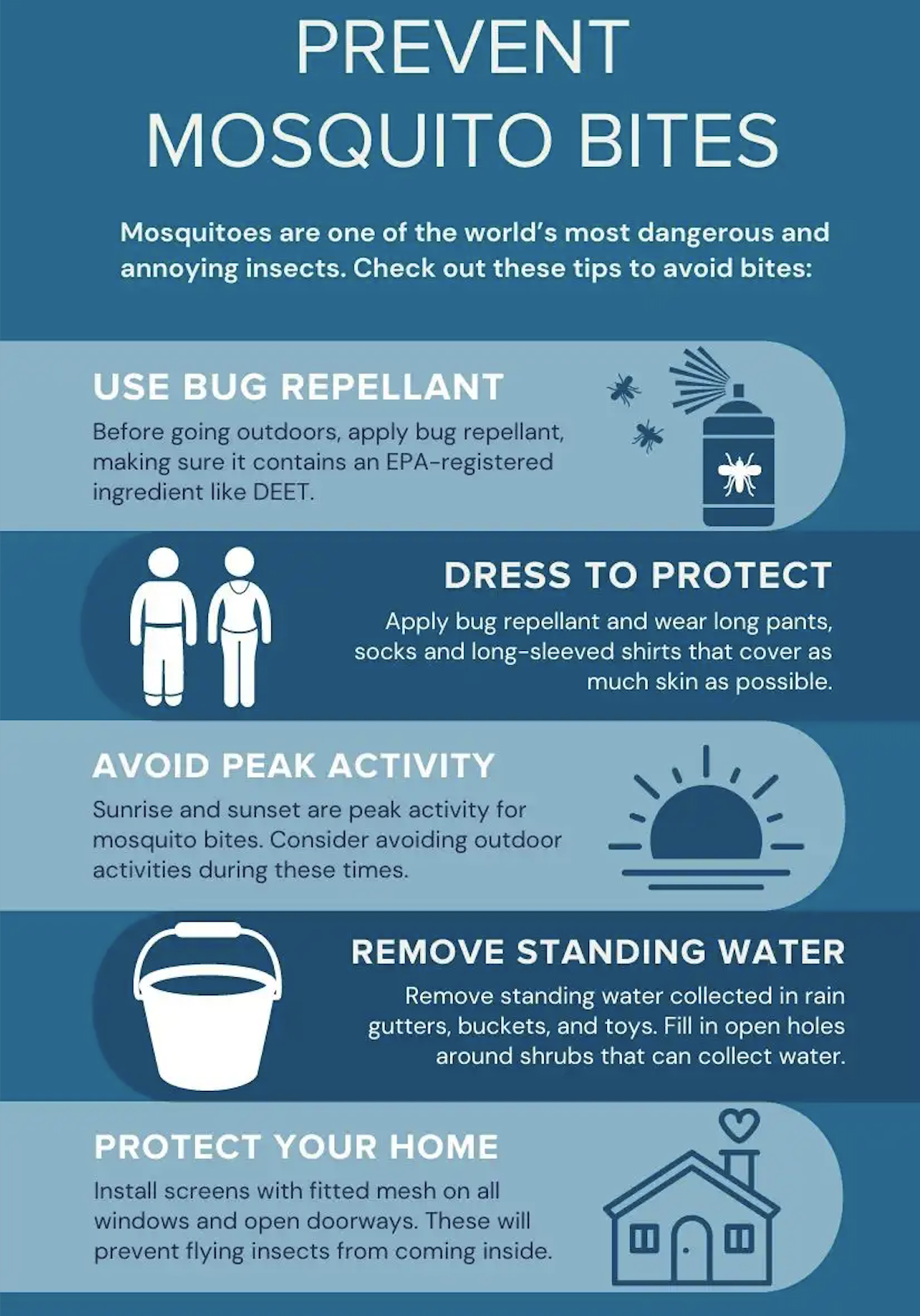
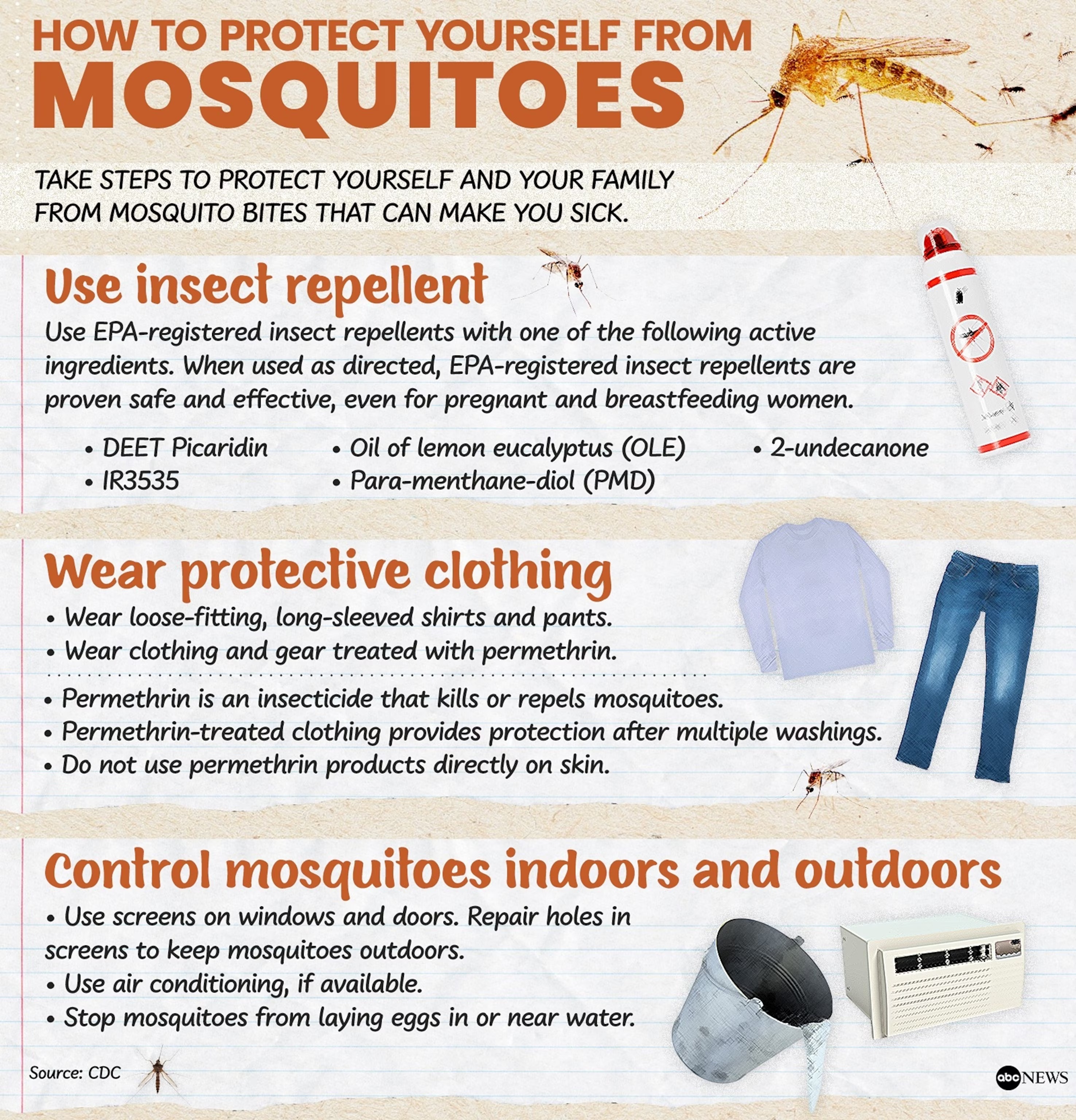
Do-it-Yourself Solutions for Mosquito Problems
Submitting a Service Request? Here’s what to expect.
West Nile Virus Activity (2023)
The Mosquito Life Cycle (Not what you may expect!)
MOSQUITOES CAN GO FROM EGG TO ADULT IN ABOUT 7 days
All mosquitoes need stagnant, dirty water to go through their life cycles!
This is because the female mosquito, after taking a blood meal, lays her eggs either on the surface or edge of the dirty water.
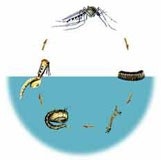
The larva (“wiggler”) emerges from the egg and feeds on bacteria and other biological matter to grow and turn into a pupa (“tumbler”). In the pupa stage, the mosquito stops eating, much like a butterfly in its cocoon stage. Once ready, the mosquito emerges from the water and becomes an adult. The male mosquito doesn’t take blood meals; they only feed on plant juices, also known as nectar.
When the temperature is warm, the mosquito can develop from egg to adult in 7-10 days. During the summer, we can see mosquitoes completing their life cycles in about 5 days!
This is why our vector ecologists and vector control specialists act fast to respond to service requests. Waiting a week or two can mean thousands of new mosquitoes emerging in our communities, which can increase our risk of getting a vector-borne disease, like West Nile virus.
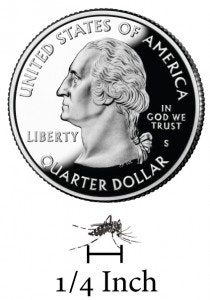
Getting rid of mosquitoes is easy once you understand the biology of a mosquito.
Mosquitoes are vectors, which means they can transmit a disease and can be considered a public health nuisance. There are more than 3,500 species of mosquitoes worldwide, but only a few can transmit diseases to people. Here in Los Angeles County, we’re most worried about the mosquito species that are dangerous to humans.
That is why our district’s mission is to reduce the populations of mosquitoes to prevent or stop disease outbreaks. In addition to control, we also use mosquito traps and other tools to monitor populations of mosquitoes and the diseases they spread.