
-
(818) 833-8737
13521 Hubbard St.Sylmar, CA 91342
- Login
El Niño 2026 Storm Preparedness
Posted on 09/16/2026
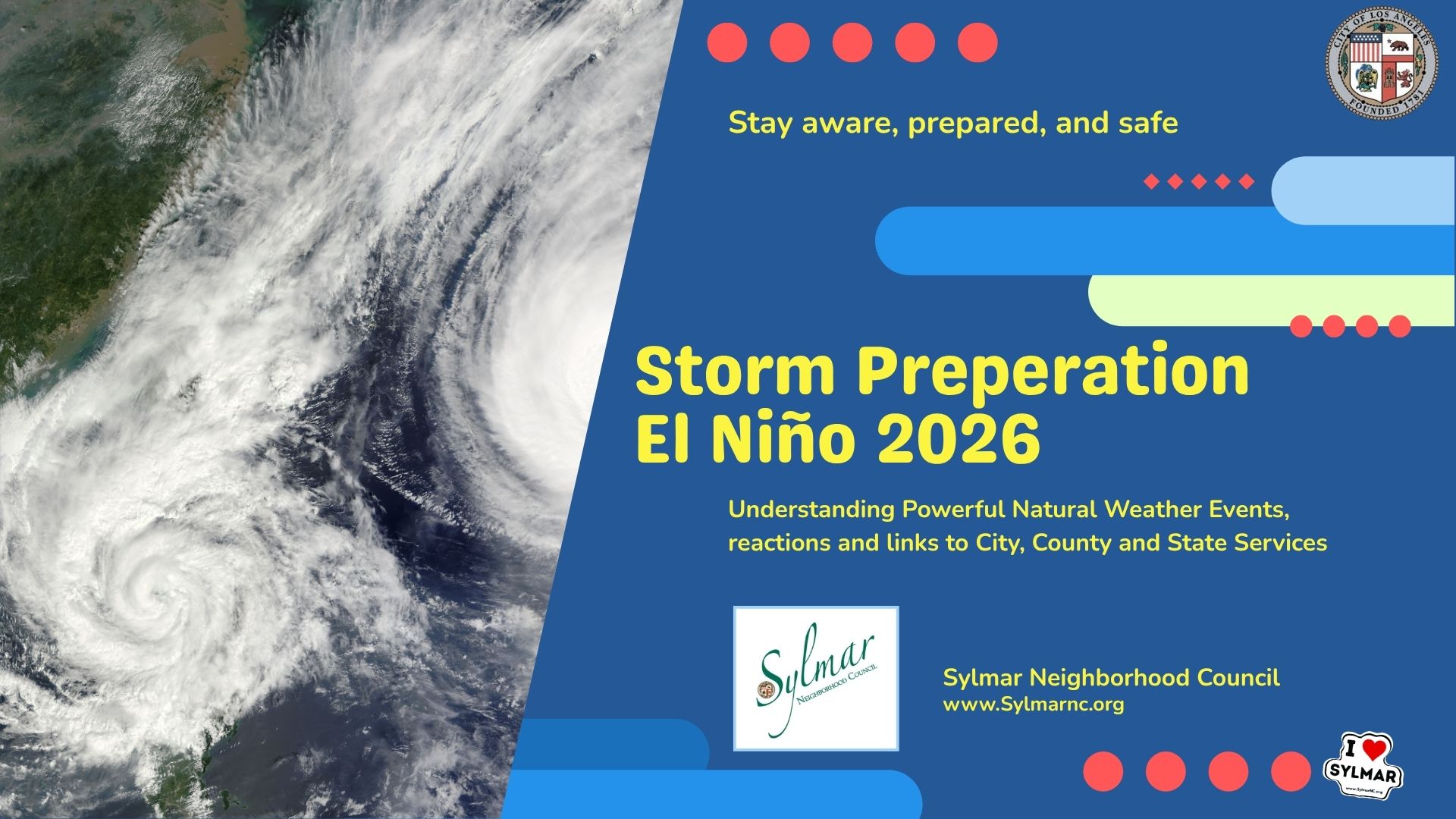
The 2026 El Niño has officially reached "Super Status" after sea surface temperatures breached the 2.0°C (3.6°F) threshold. Forecasters warn there is a 75% chance it will become a historic, record-breaking climate event peaking this winter.
Los Angeles City and LA County are both actively preparing for a potentially historic 2026-El Niño storm season expected to bring heavy rain, flooding, and mudslides.
City and County Preparations
- Infrastructure Maintenance: Public Works crews are year-round and ramping up inspections of dams, debris basins, storm channels, drains, and pump stations.
- Burn Scar Focus: Special monitoring and risk-mitigation efforts are underway in hillside and recent wildfire burn scar communities (such as the Santa Monica Mountains and burn zones from recent years) where mudslides are most likely.
- Emergency Coordination: The Los Angeles County Board of Supervisors, Fire Department, and Sheriff's Department are coordinating response protocols, including practicing flood rescues and road closure procedures.
- Targeted Outreach: Officials plan door-to-door community outreach for vulnerable properties starting around October 15.
How Residents Can Prepare
- Clear Drainage: Homeowners should clear out roof gutters, drains, and private property runoffs before the rainy season peaks in October and November.
- Sign Up for Alerts: Register for official emergency notices at Alert LA County.
- Check Flood Risks: Review regional flood maps and risk information via Ready L.A. County.
- Plan and Stay Alert: Develop family evacuation plans, monitor local National Weather Service alerts, and prepare emergency outage supplies.
- Property Maintenance: Clear out home gutters, inspect yard slopes, and remove loose debris or material from around properties before mid-October storms arrive.
LA County Preparations
- Infrastructure Maintenance: L.A. County Public Works crews are inspecting and clearing dams, reservoirs, storm drains, and debris catch basins, with facilities scheduled to be fully prepared by October 15.
- Burn Scar Monitoring: Extra focus is being placed on vulnerable post-wildfire burn scar areas (such as Altadena, the Santa Monica Mountains, and recently scarred communities like the Palisades and parts of Sylmar) to mitigate mudslides and debris flows.
- Emergency Coordination: The Office of Emergency Management, Sheriff, and Fire Departments are practicing flood rescues, road closure protocols, and planning door-to-door outreach for high-risk properties starting in mid-October.
Overall Current Status and Outlook
According to updates from the National Oceanic and Atmospheric Administration (NOAA) and the World Meteorological Organization (WMO), the 2026 climate pattern transitioned rapidly into a "very strong" event. Models indicate it will continue intensifying through the fall, peaking in December 2026 or January 2027, and likely persisting until at least May 2027.
Because this Super El Niño is unfolding on top of existing global warming, scientists warn that it will significantly spike global air temperatures, positioning 2027 to potentially become the hottest year on record.
Global & Regional Impacts
The extreme atmospheric shifts from this system are already altering global weather patterns:
- Hurricane Seasons: The Super El Niño is producing strong wind shear across the Atlantic, causing a record-late start with minimal activity. Conversely, it has supercharged the Eastern and Central Pacific hurricane seasons, spawning multiple major storms and threat alerts for areas like Hawaii.
- United States: A strong subtropical jet stream is expected to bring a warmer, drier winter to the Pacific Northwest, threatening vital mountain snowpacks. Meanwhile, the Southern U.S. and Gulf Coast are bracing for wetter-than-normal winter conditions, cloudy days, and heightened flood risks.
- Drought and Wildfires: Extreme dry spells are impacting South and Southeast Asia, Australia, and Southern Africa. Indonesia's Meteorological Agency (BMKG) is monitoring thousands of fire hotspots as severe drought increases regional wildfire risks.
- Heavy Rainfall: Intense precipitation is forecasted for East Africa (including southern Ethiopia and Somalia) and parts of South America (Ecuador, Peru, and southern Brazil), greatly elevating flash flood risks.
Useful Links
- ReadyLA - Emergency Notifications - https://ready.lacounty.gov/emergency-notifications/
- NotifyLA - LA City Emergency Notifications - https://emergency.lacity.gov/notifyla
- Family Evacuation Plan - https://www.ready.gov/plan
- Los Angeles Emergency Management Department - https://emergency.lacity.gov/
- LA County Sheriff's Department - https://lasd.org/
- Los Angeles Police Department - https://www.lapdonline.org/
- California Highway Patrol - https://www.chp.ca.gov/
- National Weather Service - Storm Prediction Center - https://www.spc.noaa.gov/products/wwa/
- The Weather Channel "How to prepare your wallet and your home" - https://weather.com/2026/09/03/news/weather/el-nino-2026-how-to-prepare-grocery-prices-home-energy
Elected Officials Offices
- Sylmar Neighborhood Council - www.SylmarNC.org
- LA City Councilwoman Monica Rodriguez - https://cd7.lacity.gov/
- LA City Mayor Karen Bass - https://mayor.lacity.gov/
- LA County Supervisor Lindsey Horvath - https://lacounty.gov/government/board-of-supervisors/lindsey-p-horvath/
- CA Assemblywoman Celeste Rodriguez - https://crodriguez.asmdc.org/
- CA State Senator Carolinee Menjivar - https://sd20.senate.ca.gov/
- Congresswoman Luz Rivas - https://rivas.house.gov/

Represent Your Community
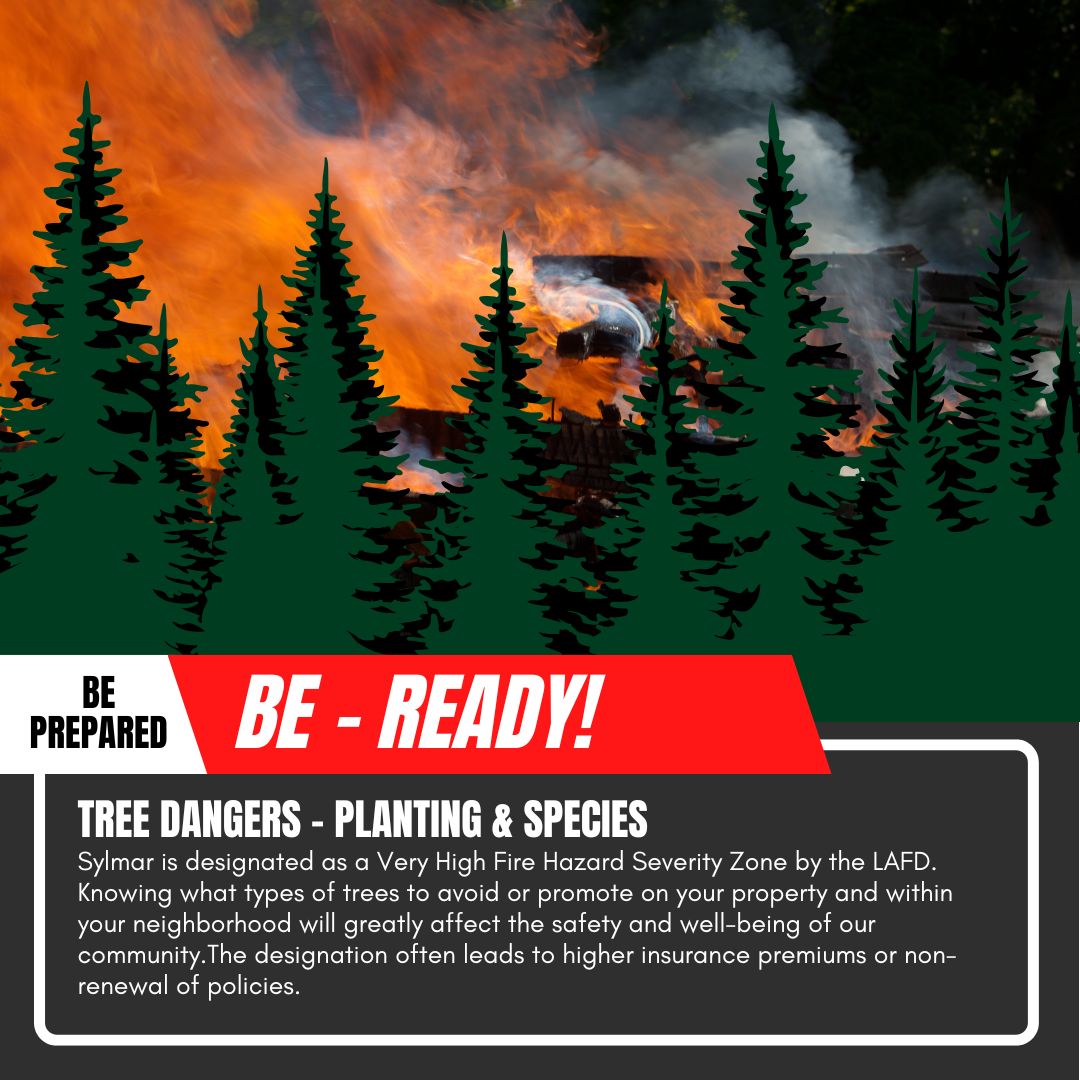
FIRE! Be Ready! Tree Dangers

Sign-Up to Receive Agendas

Sylmar Community Calendar

MyLA311


My LA 311
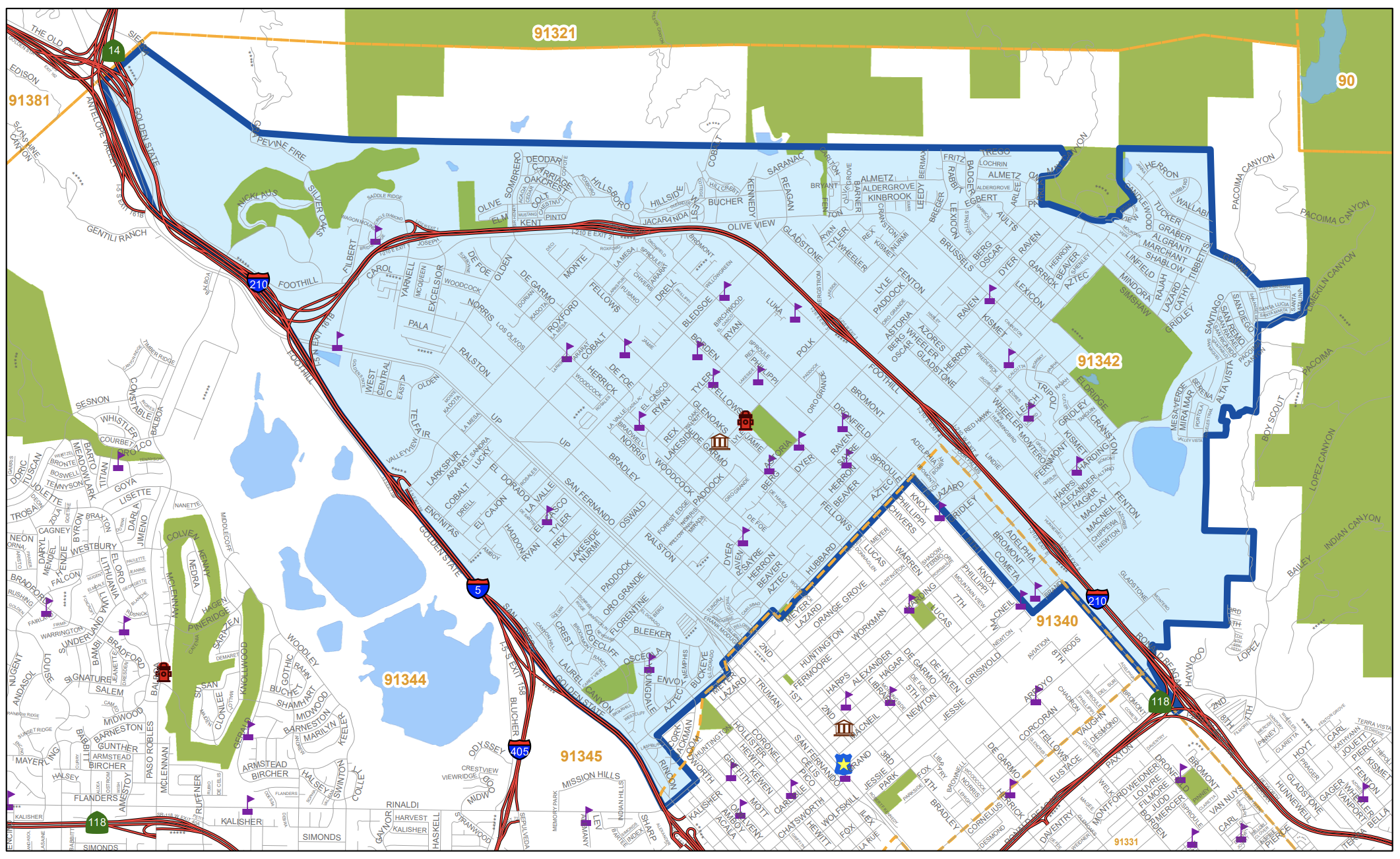
Area Boundaries and Map
View our neighborhood council boundaries for which we deal with.

EMPOWER LA

NEIGHBORHOOD COUNCIL CALENDAR & EVENTS
The public is invited to attend all meetings.

NEIGHBORHOOD COUNCIL FUNDING SYSTEM DASHBOARD

SUBSCRIBE TO NC MEETING NOTIFICATION