
-
(818) 833-8737
13521 Hubbard St.Sylmar, CA 91342
- Login
NEW California Tire Regulation to begin 2029
Posted on 09/16/2026
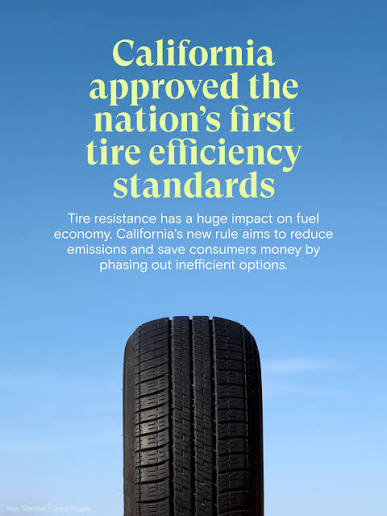
California’s new tire efficiency law will officially take effect on January 1, 2029. The California Energy Commission (CEC) unanimously approved the Replacement Tire Efficiency Program (RTEP), making California the first state in the nation to regulate the energy efficiency of replacement tires.
The law is designed to ensure that the tires you buy to replace your old ones are just as fuel-efficient, on average, as the tires that originally came with your new car.
The Core Details of the Law
- The Timeline: The regulations roll out in two distinct stages. Phase 1 begins on January 1, 2029. Phase 2, which introduces much stricter efficiency standards, kicks in on January 1, 2033.
- Who it Affects: The law applies strictly to tire manufacturers and retail stores. It restricts what can legally be sold in the state.
- Your Current Tires Are Safe: You do not need to rush out and buy new tires. The law only targets tires manufactured after the deadlines. It is completely legal to keep driving on the tires you already have.
- The Goal (Lower Rolling Resistance): The state is targeting "rolling resistance"—the amount of energy a vehicle needs to keep a tire moving. Lower rolling resistance means your car doesn't have to work as hard, which saves gas or electric battery range.
What the Law Does
- Targets Rolling Resistance: The California Energy Commission (CEC) is limiting energy lost as heat when a tire rolls, which improves gas mileage and extends electric vehicle range.
- Includes Wet Grip Rules: Tires must still meet minimum wet-braking standards so efficiency does not compromise safety.
- Applies to Replacements: The rules affect tires you buy after your original factory tires wear out, not new cars sold with original equipment.
Rollout Phases and Costs
- Phase 1 (2029–2032): Starts January 1, 2029, setting a rolling resistance ceiling of 9.0 N/kN with an incremental cost of about $1.50 per tire.
- Phase 2 (2033 and beyond): Starts January 1, 2033, lowering the ceiling to 7.1 N/kN with an incremental cost of about $6.50 per tire.
- Overall Savings: The state estimates higher upfront tire prices will be offset by saving billions in fuel and electricity costs.
Exemptions
The CEC carved out exceptions for specialty equipment, including:
- Winter snow tires and all-season winter performance tires
- Competition and motorsports tires
- Motorcycle, ATV, and large off-road tires
- Temporary spares, space-saver spares, and small 13-inch or smaller rim diameter tires
- Emergency vehicle tires and used or retreaded tires
Impact on Consumers
The new standards have sparked a major debate between state regulators and the tire industry regarding what this means for your wallet:
| Metric | State Regulators (CEC) Estimate |
Tire Industry (e.g., Goodyear) Estimate
|
|---|---|---|
| Upfront Cost | A minor increase of about $1.50 per tire in 2029, rising to $6.50 per tire in 2033. |
Significantly higher. They argue compliant tires could cost hundreds of dollars more per set.
|
| Consumer Savings | Drivers will save roughly $179 to $246 in fuel/electricity costs over the life of the tires. |
They argue the projected fuel savings won't actually offset the higher initial purchase price.
|
| Tire Availability | Manufacturers have plenty of time to adapt and create affordable, compliant options. | Stricter 2033 rules could effectively ban up to 70% of tires currently sold in California, limiting consumer choice. |
Replacement Tire Efficiency Program Proceeding
https://www.energy.ca.gov/proceeding/replacement-tire-efficiency-program-proceeding
CEC Approves Nation’s First Replacement Tire Efficiency Standards, Saving Californians Billions in Fuel Costs -

Represent Your Community

FIRE! Be Ready! Tree Dangers

Sign-Up to Receive Agendas

Sylmar Community Calendar

MyLA311



My LA 311
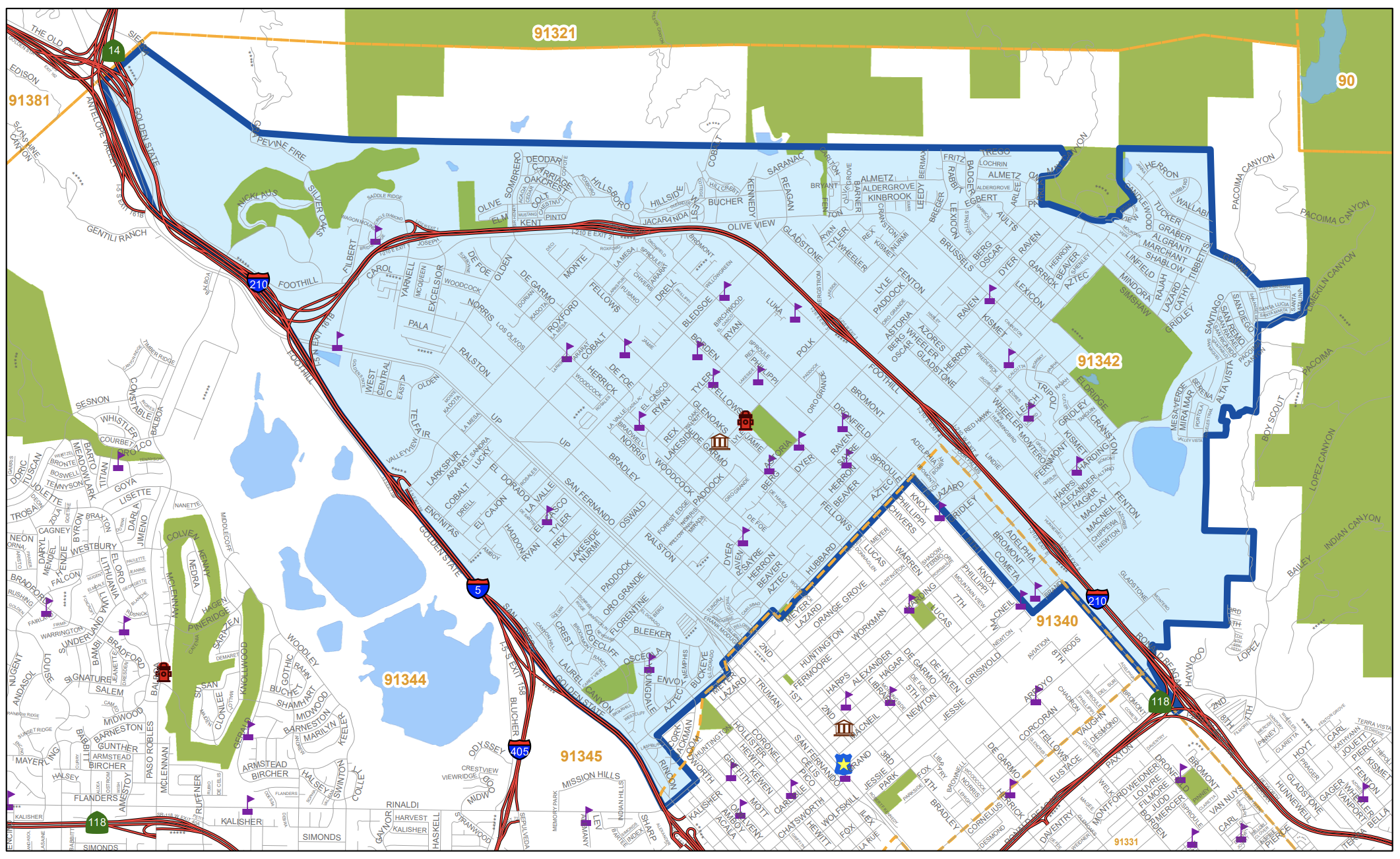
Area Boundaries and Map
View our neighborhood council boundaries for which we deal with.

EMPOWER LA

NEIGHBORHOOD COUNCIL CALENDAR & EVENTS
The public is invited to attend all meetings.
NEIGHBORHOOD COUNCIL FUNDING SYSTEM DASHBOARD

SUBSCRIBE TO NC MEETING NOTIFICATION