-
(818) 833-8737
13521 Hubbard St.Sylmar, CA 91342
- Login
Public Health Confirms First Two Flu Deaths of the Season
Posted on 10/22/2026

For Immediate Release:
October 22, 2026
Public Health Confirms First Two Flu Deaths of the Season
With flu activity rising, take simple steps to protect yourself
and loved ones
The Los Angeles County Department of Public Health has confirmed the first two influenza-associated deaths of the season in Los Angeles County. Both were older adults with pre-existing medical conditions. Public Health extends its condolences to the families and loved ones affected by these losses.
Based on the Public Health investigation, it appears that one individual had not received a flu vaccination this season and the other received a flu vaccine one week before symptom onset. Protection develops over two weeks after vaccination, so a person can still be vulnerable if exposed before that protection is in place. Getting vaccinated now helps ensure that protection is in place before being exposed.
“These deaths are a sobering reminder that influenza can cause serious illness and even death,” said Dr. Muntu Davis, Los Angeles County Health Officer. “We strongly encourage everyone six months and older to get a flu vaccine as soon as possible. Vaccination remains the most effective way to reduce the risk of severe illness, hospitalization, and death from infection, for yourself, your loved ones, and your community.”
Early Season Surveillance Shows Rising Activity
Flu activity in Los Angeles County is higher than typically seen at this time in the year and is expected to continue rising.
- In the week ending October 10, 7.9% of specimens tested at LA County sentinel laboratories were positive for influenza.
- Emergency department visits for influenza-like illness rose to 4.2%, from 3.8% the week prior.
- New influenza positive hospital admissions rose from 115 to 144.
These suggest increasing flu spread early in the season.
Ways to Reduce Your Risk From Flu
Public Health is strongly encouraging everyone six months and older to get vaccinated against influenza now. Getting a flu vaccine and practicing everyday hygiene and prevention measures remain the most effective ways to reduce the spread of flu and prevent serious illness.
Although anyone can become seriously ill from the flu, those at highest risk for complications include children younger than 5 years, adults 65 years and older, pregnant people, and those who are immunocompromised or have certain health conditions.
Prescription antiviral medications can lessen symptoms, shorten the amount of time you feel sick, and can help prevent serious flu complications. These medications work best when started within 48 hours of symptom onset and are recommended for people at higher risk of serious complications.
Benefits of Flu Vaccination
Public Health recommends an annual flu vaccine for everyone 6 months and older. Annual flu vaccination is an important way to reduce the risk of influenza and its complications.
Adults aged 65 years and older should receive an enhanced influenza vaccine, which include recombinant, adjuvanted, mRNA or high-dose formulations, which available studies suggest may offer greater effectiveness than standard-dose for this age group (https://www.cdc.gov/flu/
Flu vaccination can help protect you and your loved ones by:
- Reducing the risk of illness,
- Reducing the severity of symptoms, and
- Helping prevent missed work or school.
People can find a vaccine site near them by visiting: http://ph.lacounty.
Other Protective Measures
In addition to vaccination, Public Health recommends:
- Washing hands frequently with soap and water or using hand sanitizer, when soap and water are not available,
- Staying home and away from others when sick, and
- Wearing a well-fitting mask in crowded indoor spaces, around people at higher risk, or whenever experiencing symptoms.
Other Vaccines During Respiratory Virus Season
As multiple other respiratory viruses also continue to circulate, Public Health encourages everyone 6 months and older receive an updated COVID-19 vaccine. RSV immunization is also recommended for older adults, pregnant persons, and infants. The flu vaccine can be administered at the same time as other vaccines, including the COVID-19 vaccine.
What To Do If You Are Sick with Flu
People at higher risk for complications from the flu should seek medical care for testing and treatment as soon as they begin to feel ill, whether or not they have been vaccinated. High-risk groups include children under 5 years old, adults 65 years and older, pregnant people, and individuals with conditions such as asthma, chronic lung or heart disease, diabetes, or overweight with a body mass index (BMI) greater than 40.
Prescription anti-viral medications, like oseltamivir (available generically or under the tradename Tamiflu®) and baloxavir (available under the tradename Xofluza®), can:
- shorten the duration of the flu
- can reduce the risk of complications or death
These medications work best when taken within 48 hours of becoming sick but may still be beneficial later in the course of illness. Anyone hospitalized with influenza should receive antivirals regardless of when symptoms began. They have are well tolerated by most people and have minimal interactions with other drugs.
About Influenza
Influenza (flu) is a highly contagious respiratory illness caused by influenza viruses. Flu can cause fevers, cough, headaches and body aches and result in serious complications such as bacterial pneumonia, worsening of chronic medical conditions, or death. Influenza viruses are constantly changing, so the best way to protect yourself and loved ones each year is to get an updated flu vaccine.
For more information visit: ph.lacounty.gov/
For more questions or to find a nearby clinic or doctor, call the Public Health Infoline at 1-833-540-0473, open every day from 8 a.m. to 8 p.m.
Represent Your Community
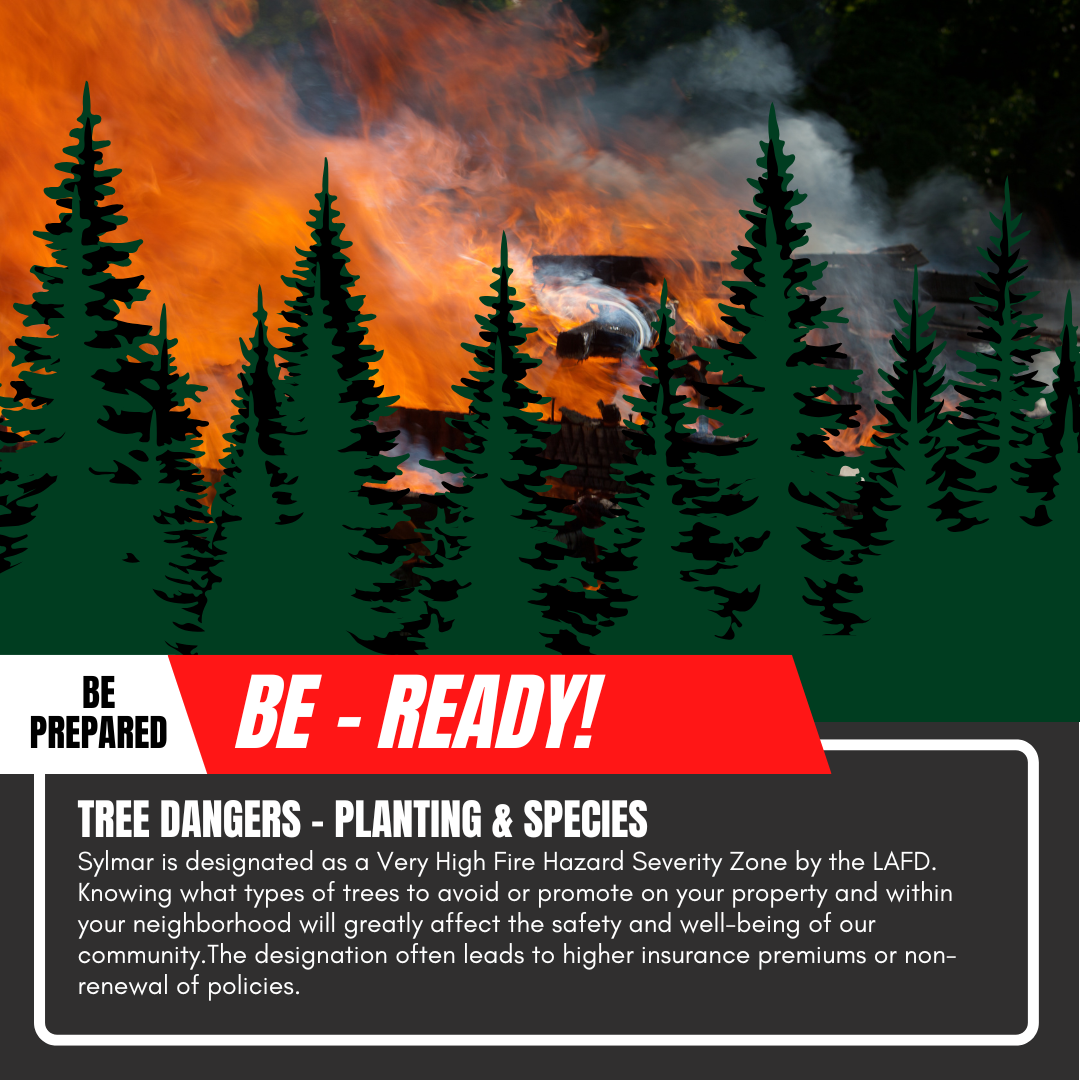
FIRE! Be Ready! Tree Dangers

Sign-Up to Receive Agendas

Sylmar Community Calendar

MyLA311



My LA 311
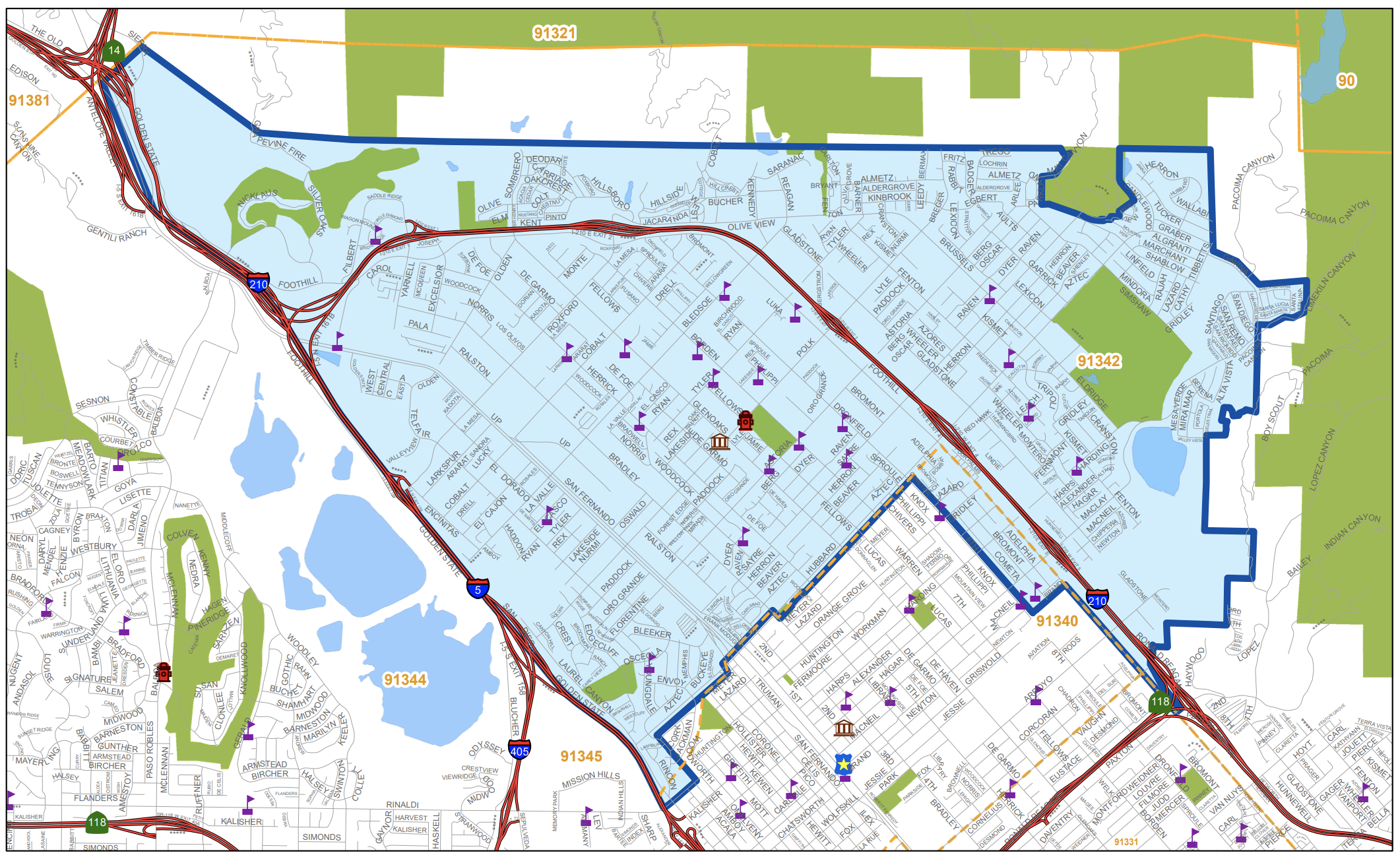
Area Boundaries and Map
View our neighborhood council boundaries for which we deal with.

EMPOWER LA

NEIGHBORHOOD COUNCIL CALENDAR & EVENTS
The public is invited to attend all meetings.

NEIGHBORHOOD COUNCIL FUNDING SYSTEM DASHBOARD
SUBSCRIBE TO NC MEETING NOTIFICATION