-
(818) 833-8737
13521 Hubbard St.Sylmar, CA 91342
- Login
Fernandeño Tataviam Tribe Acquires California Foothills Land
Posted on 10/31/2026
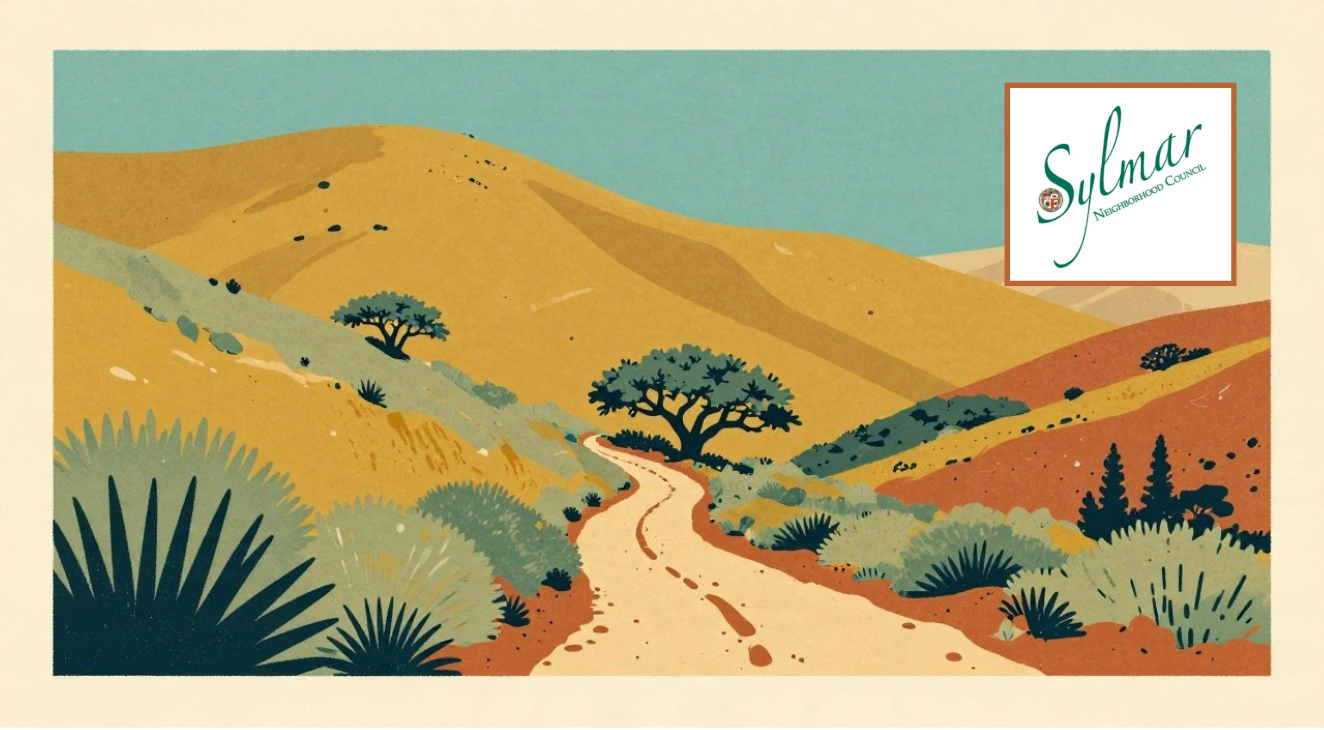
The tribe purchased 51 acres in the San Gabriel foothills to reconnect with ancestral history and manage the environment.
The Fernandeño Tataviam Band of Mission Indians has acquired 51 acres of land in the San Gabriel foothills using a state grant. This acquisition marks a significant milestone for the tribe, which has remained landless since 1900.
Why it matters
The purchase reflects a broader state policy aimed at addressing historical genocide through the return of ancestral lands to indigenous tribes. By reclaiming this property, the tribe intends to facilitate youth ecology programs and manage the local environment.
The land acquisition was financed by a $1.9 million grant from the California Natural Resources Agency via the Tribal Nature-Based Solutions program. The site was previously marketed by private owners as a potential glamping location.
The players
Fernandeño Tataviam Band of Mission Indians
This is an indigenous tribe native to the San Fernando Valley and surrounding regions that has worked to preserve its cultural history.
California Natural Resources Agency
This state department is responsible for overseeing the development and conservation of natural and cultural resources across California.
The details
The tribe plans to utilize the newly acquired acres along the Pacific Crest Trail for cultural and environmental education initiatives. This follows an earlier donation of over 500 acres near Elizabeth Lake to the tribe in January 2026.
Timeline
-
The tribe has been landless since 1900.
-
The Tataviam Land Conservancy was established in 2018.
-
A tribal conservation corps was created in 2022.
-
The tribe signed an agreement to manage over a dozen state parks in 2023.
-
A celebration was held on the acquired land in October 2026.
Culture Shift
The return of this land follows the state's broader effort to correct historical displacement by prioritizing indigenous environmental stewardship. This trend signifies a shift toward recognizing tribal sovereignty over traditional territories previously managed by private interests.
Residents in the San Gabriel foothills area may see new educational programming and conservation activities as the tribe begins managing the land. The shift from a potential private glamping site to tribal management alters the local land-use profile in favor of conservation.
The takeaway
This acquisition highlights the tangible outcomes of state-supported land return policies for indigenous communities. Readers can look for similar conservation-led developments as more tribes establish land trusts to manage ancestral territories.
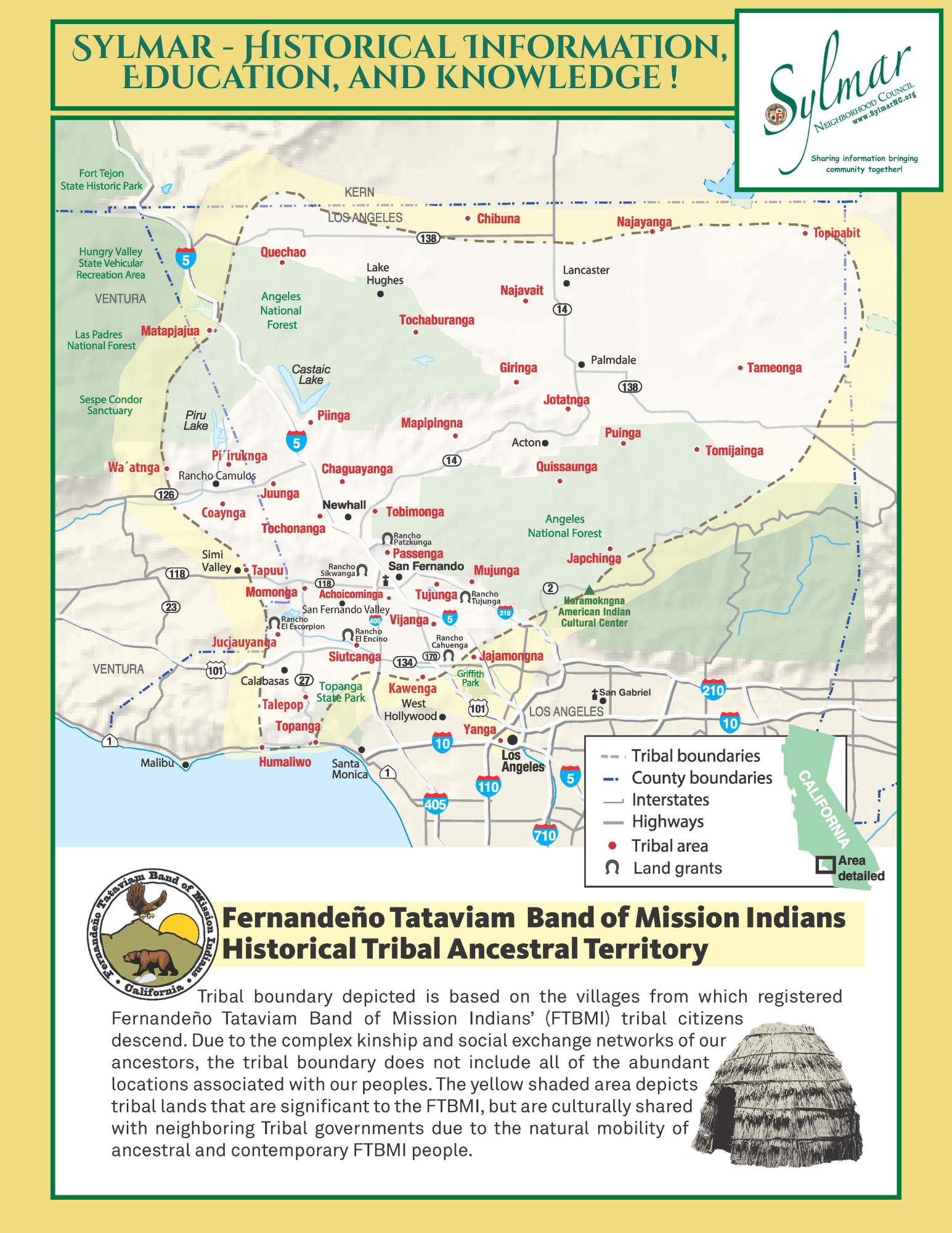
LA County, LA City, and the community of Sylmar recognizes and acknowledges the first people of this ancestral and unceded territory of Fernandeño Tataviam Band of Mission Indians that is now occupied by our community of Sylmar honors their elders, past and present, and the descendants who are citizens of the Fernandeño Tataviam Band of Mission Indians. We recognize that the Tribe is still here and we are committed to lifting up their stories, culture, and community.”
Read & learn more below -
https://www.sylmarneighborhoodcouncil.org/page/viewNews/9131/

Represent Your Community

FIRE! Be Ready! Tree Dangers

Sign-Up to Receive Agendas

Sylmar Community Calendar

MyLA311



My LA 311
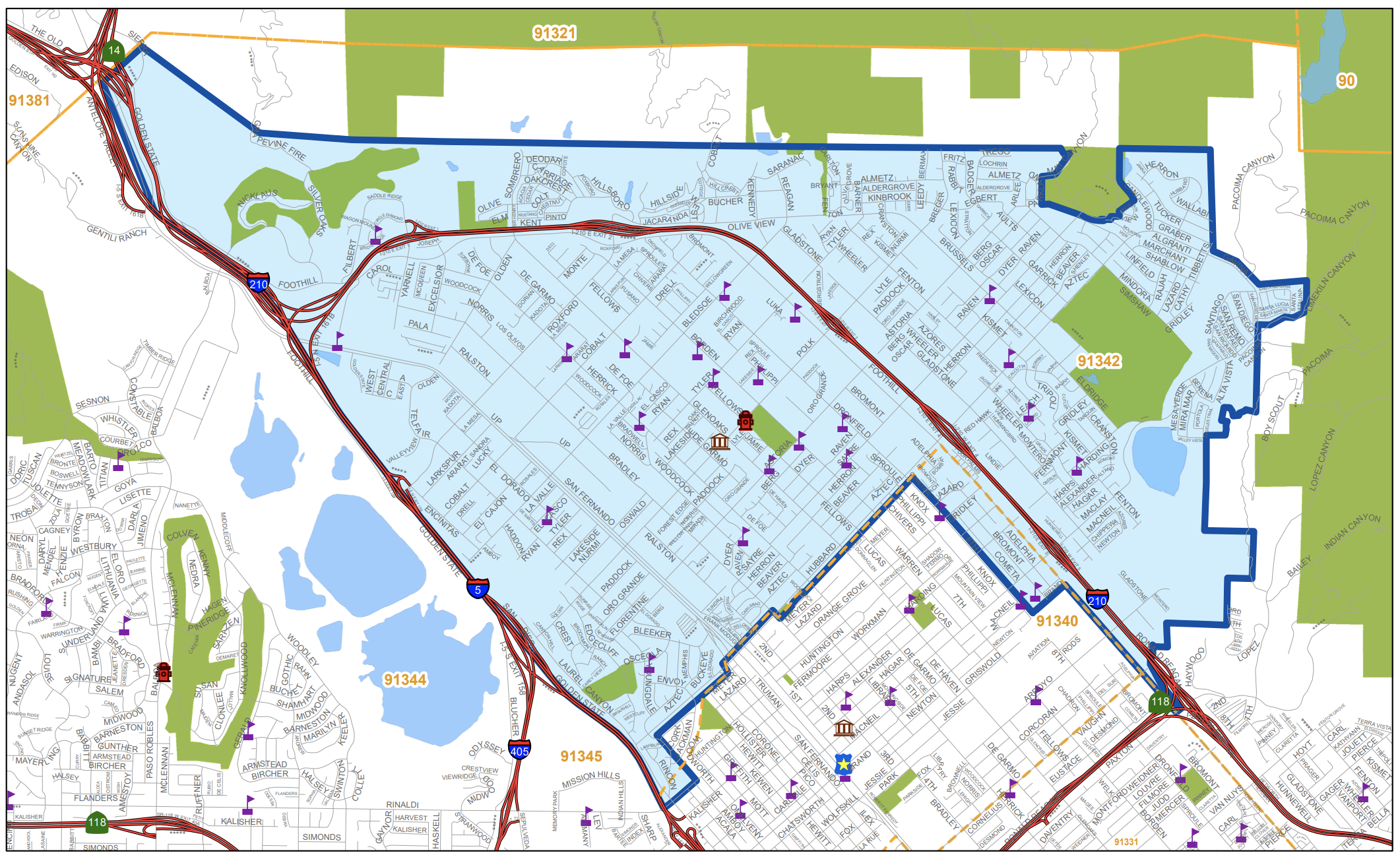
Area Boundaries and Map
View our neighborhood council boundaries for which we deal with.

EMPOWER LA

NEIGHBORHOOD COUNCIL CALENDAR & EVENTS
The public is invited to attend all meetings.

NEIGHBORHOOD COUNCIL FUNDING SYSTEM DASHBOARD

SUBSCRIBE TO NC MEETING NOTIFICATION