-
(818) 833-8737
13521 Hubbard St.Sylmar, CA 91342
- Login
Safety - Thanksgiving
Posted on 11/21/2026
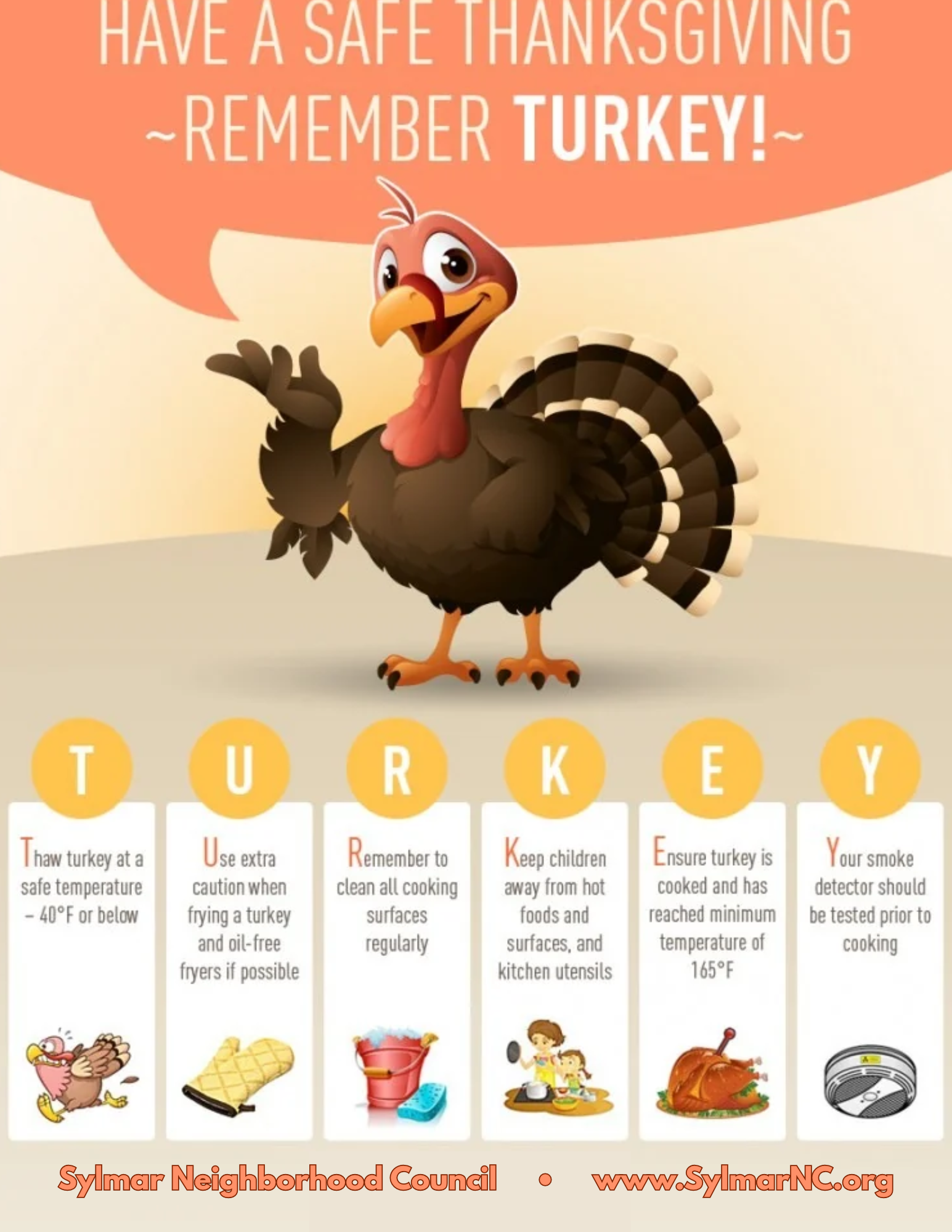
Thanksgiving is the leading day of the year for home cooking fires, with incident rates spiking to more than three times the daily average. To keep your holiday feast safe and prevent common kitchen disasters, focus on fire prevention, proper turkey frying protocols, and fundamental food safety.
Core Kitchen Fire Prevention
- Never leave the kitchen unattended: Unattended cooking is the primary cause of Thanksgiving fires. Stay at the stove if you are frying, boiling, or broiling.
- Clear the zone: Keep combustible items—such as oven mitts, dish towels, wooden utensils, and food packaging—at least three feet away from all heating surfaces.
- Protect kids and pets: Establish a strict three-foot "kid-free zone" around the stove, oven, and hot liquids to prevent accidental burns or spills.
- Turn pot handles in: Always point pot and pan handles toward the back of the stove so they cannot be accidentally knocked over.
How to Handle an Active Fire
- Stovetop grease fire: Never use water on a grease fire, as it will cause the burning oil to splatter and spread. Instead, turn off the burner and carefully slide a metal lid or a cookie sheet over the pan to smother the flames.
- Oven or microwave fire: Keep the door firmly closed and turn off the heat source. Opening the door introduces fresh oxygen, which will feed and rapidly intensify the flames.
- Know your limits: If a fire begins to spread or cannot be safely controlled, evacuate everyone from the house immediately and call 911.
Safe Turkey Deep-Frying
Deep-frying a turkey carries severe explosion risks if handled incorrectly.
- Thaw completely: Placing a frozen or partially frozen turkey into hot oil will cause a violent bubble-over explosion. Ensure the bird is 100% thawed and completely dry before lowering it into the oil.
- Cook strictly outdoors: Never operate a turkey fryer on a wooden deck, inside a garage, or under a roof overhang. Set it up on a flat, level, noncombustible ground surface at least 10 feet away from your home.
- Measure oil accurately: To prevent overflowing, test the displacement level with water first before filling the pot with cooking oil.
Essential Food Safety
- Thaw the bird right: Never leave a frozen turkey to thaw on the kitchen counter. Thaw it safely in the refrigerator, allowing roughly 24 hours of defrosting time for every 4 to 5 pounds of turkey.
- Cook to 165°F: Use a reliable food thermometer to verify that the turkey has reached a safe minimum internal temperature of 165°F. Check the temperature in three distinct spots: the thickest part of the breast, the innermost part of the wing, and the innermost part of the thigh.
- Avoid the Danger Zone: Bacteria multiply rapidly between 40°F and 140°F. Pack up and transfer all leftovers into shallow containers and place them in the refrigerator within two hours of cooking.

Represent Your Community
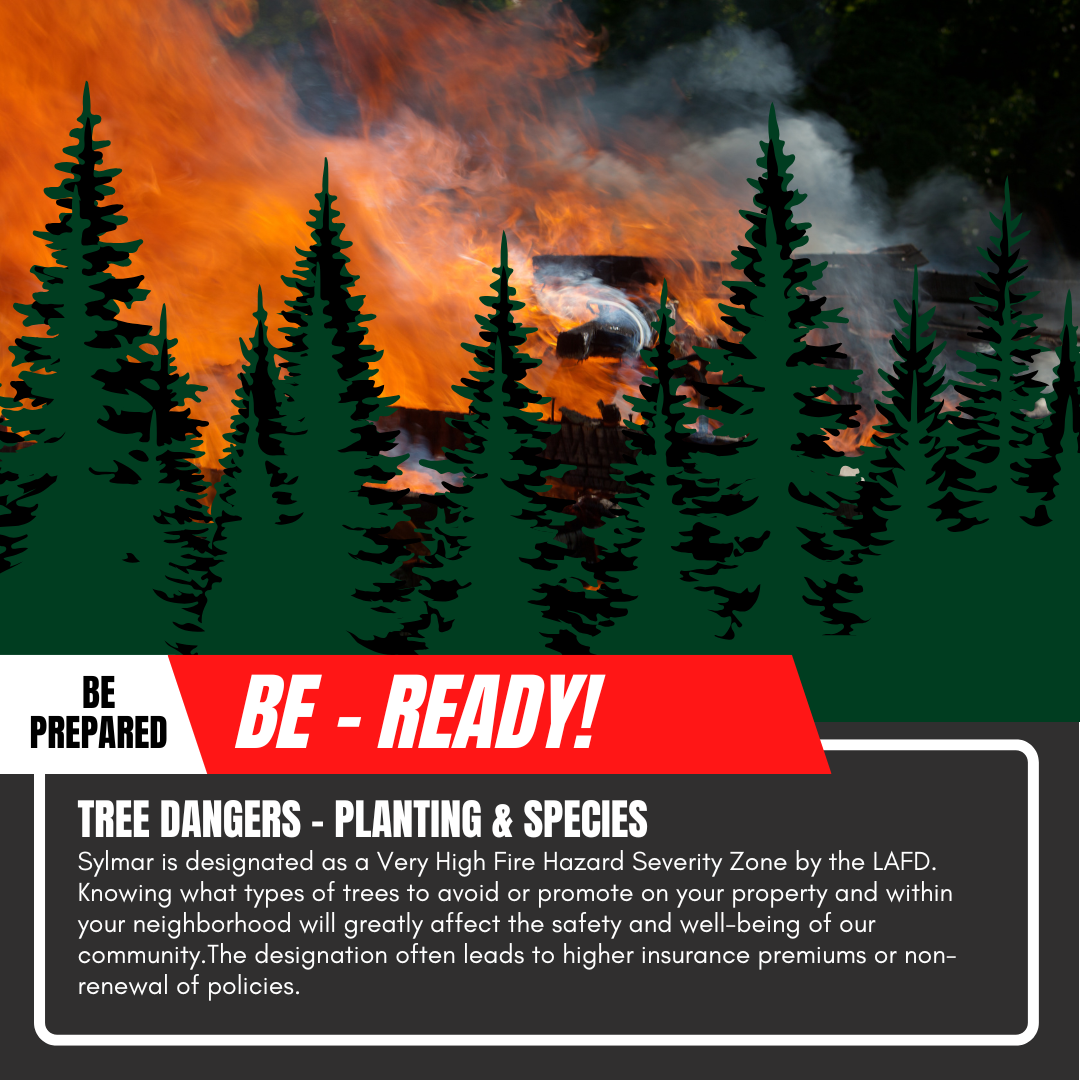
FIRE! Be Ready! Tree Dangers

Sign-Up to Receive Agendas

Sylmar Community Calendar

MyLA311



My LA 311
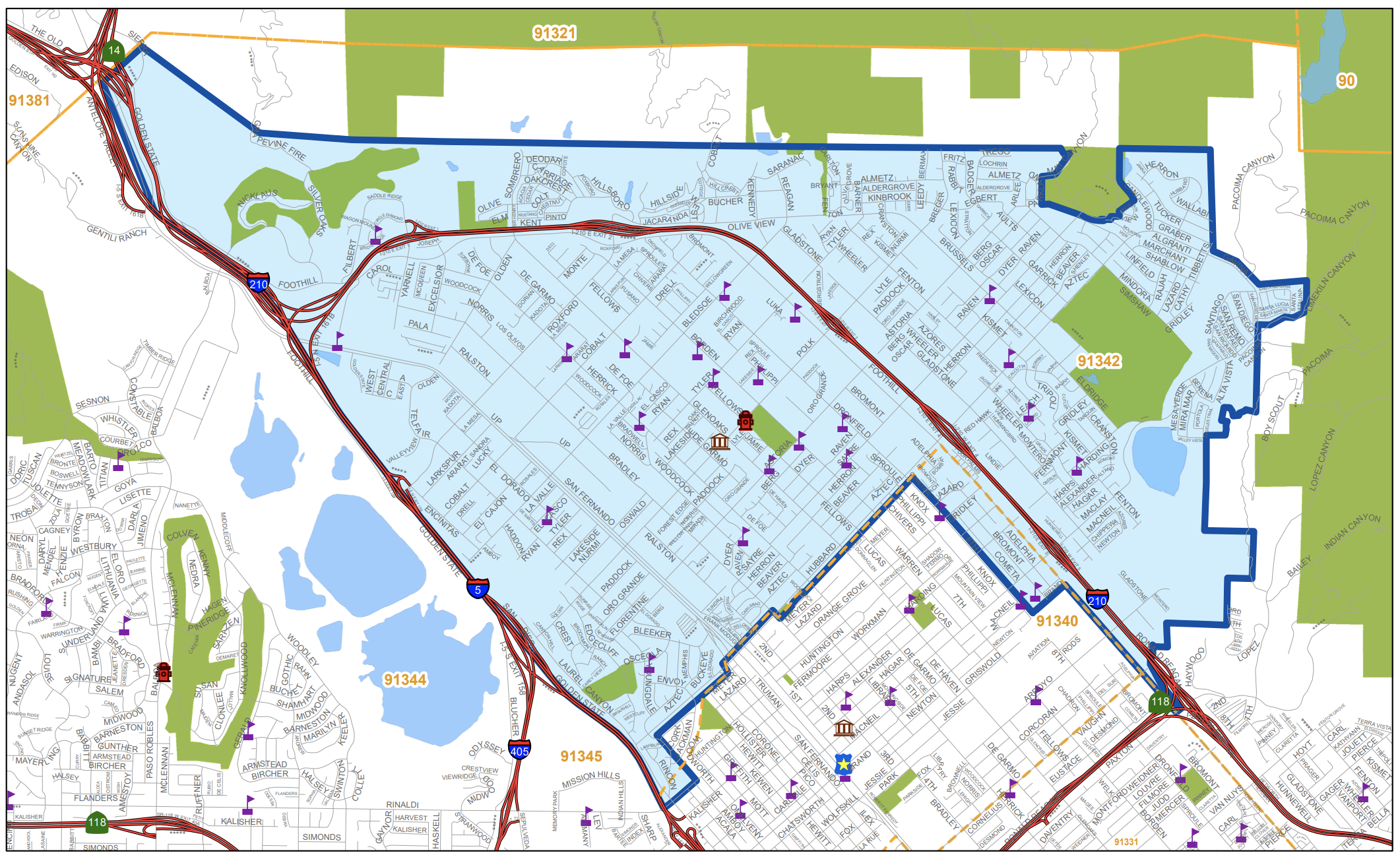
Area Boundaries and Map
View our neighborhood council boundaries for which we deal with.

EMPOWER LA

NEIGHBORHOOD COUNCIL CALENDAR & EVENTS
The public is invited to attend all meetings.

NEIGHBORHOOD COUNCIL FUNDING SYSTEM DASHBOARD

SUBSCRIBE TO NC MEETING NOTIFICATION