
-
(818) 833-8737
13521 Hubbard St.Sylmar, CA 91342
- Login
Sylmar • What's in a Name?
Posted on 11/15/2025
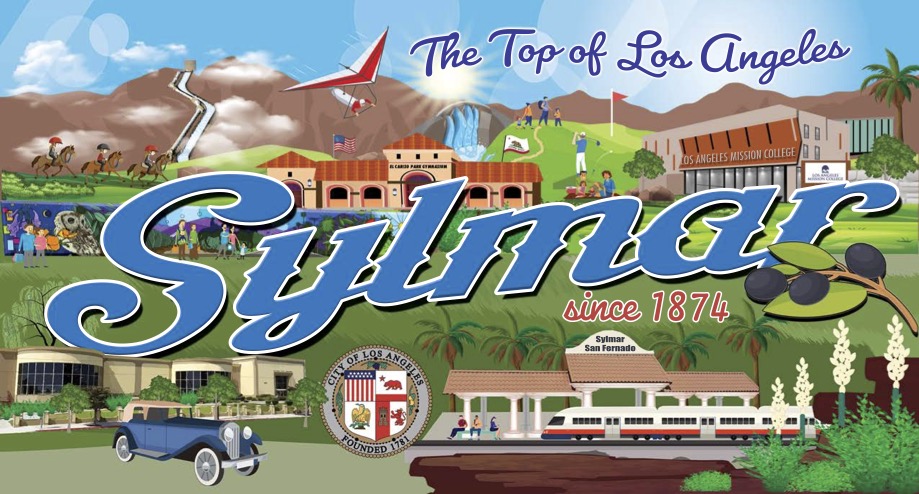
Origin of the name Sylmar
- "Silva": Latin for "forest".
- "Mare": Latin for "sea".
- "Sea of Trees": The combination was chosen to describe the vast number of olive trees that once covered the area.
The history of Sylmar, California, is deeply tied to its agricultural roots as the site of the world's largest olive grove and its later development as a suburban neighborhood within Los Angeles, marked by significant seismic events and the completion of vital infrastructure.
Early History and the "Sea of Trees"
- Indigenous Inhabitants: The area was originally inhabited by the native Tongva and Chumash people.
- Mission Era: In the late 18th century, the Spanish founded the San Fernando Mission and planted the first olive trees in the area.
- Renaming and Olive Industry: Originally known as Morningside in 1874, the settlement was renamed "Sylmar" in 1893, a name derived from the Latin words silva (forest or trees) and mare (sea), meaning "Sea of Trees". This name reflected the vast olive orchards that covered the landscape.
- World's Largest Olive Grove: By 1906, the property of the Los Angeles Olive Growers Association had expanded to become the largest olive grove in the world, with a packing plant that employed hundreds of workers during the harvest season.
Development and Infrastructure
- Los Angeles Aqueduct: A major turning point came with the 1913 completion of the Los Angeles Aqueduct, which terminates in Sylmar at the Cascades, a California Historical Landmark. The promise of water from the aqueduct was a key factor in Sylmar's annexation by the city of Los Angeles in 1915.
- Suburban Growth: The construction of major freeways in the 1960s and 1980s, including the Golden State, San Diego, Foothill, and 118 Freeways, made the community more accessible, leading to a population boom and the conversion of agricultural land into suburban housing tracts.
Major Historical Events and Disasters
- 1971 San Fernando Earthquake: Sylmar was the epicenter of a major earthquake on February 9, 1971, which caused widespread damage and resulted in 65 deaths, including the collapse of a wing at the Veterans Hospital and severe damage to the new Olive View Medical Center.
- 1971 Methane Explosion: Just four months after the earthquake, a methane gas explosion in a water tunnel being drilled beneath Sylmar killed 17 workers, the worst tunneling disaster in California history, and led to the state adopting tough occupational safety regulations.
- Wildfires: The area has also been impacted by severe wildfires, notably the 2008 Sayre Fire, which was the worst loss of homes due to fire in Los Angeles's history.
Today, Sylmar still retains some of its rural, equestrian character while being a fully integrated part of the city of Los Angeles, known for landmarks like the Nethercutt Collection museum and the San Fernando Pioneer Memorial Cemetery, and of course, the Sylmar Neighborhood Council - www.SylmarNC.org
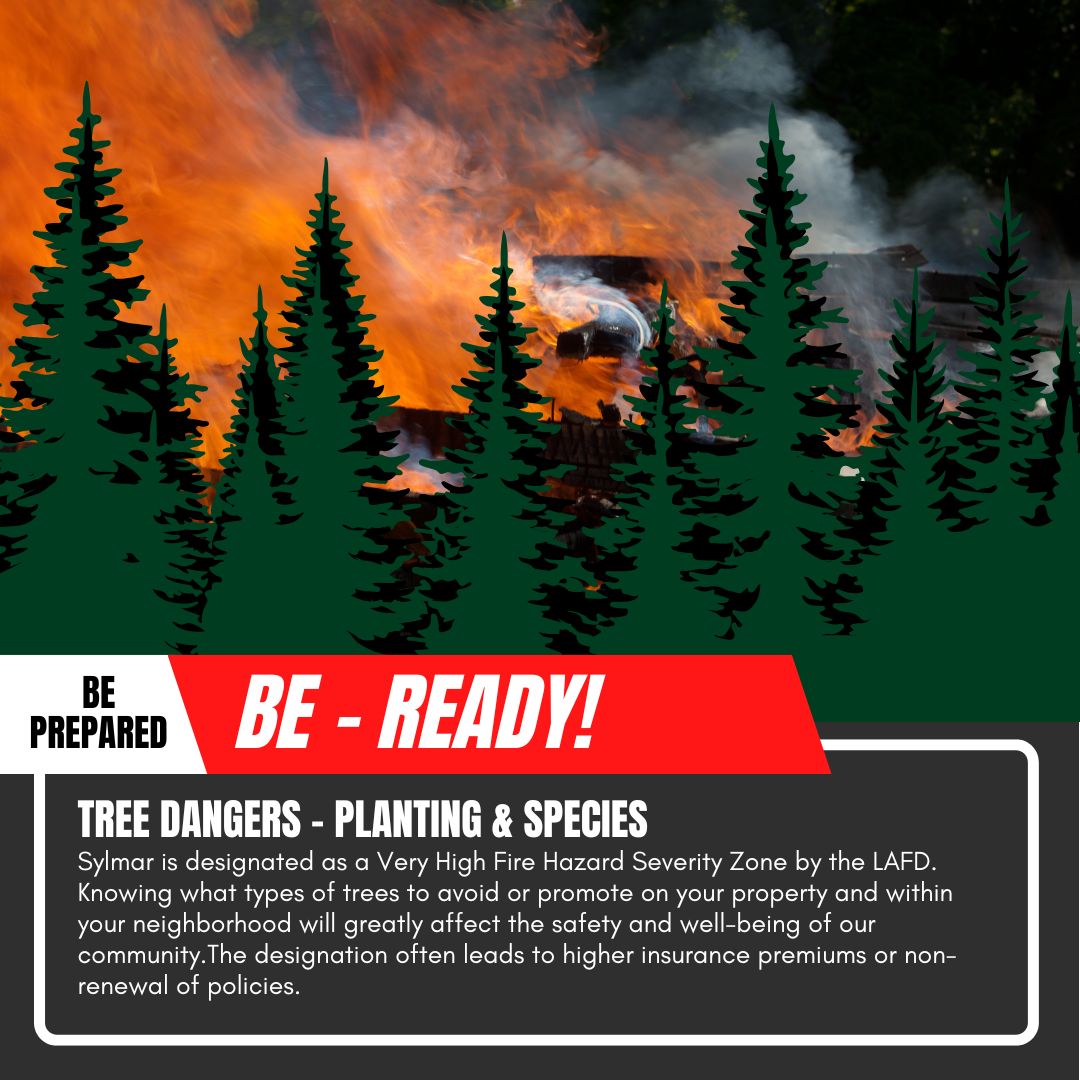
FIRE! Be Ready! Tree Dangers

US Post Office Information

Sign-Up to Receive Agendas

Sylmar Community Calendar

MyLA311


My LA 311
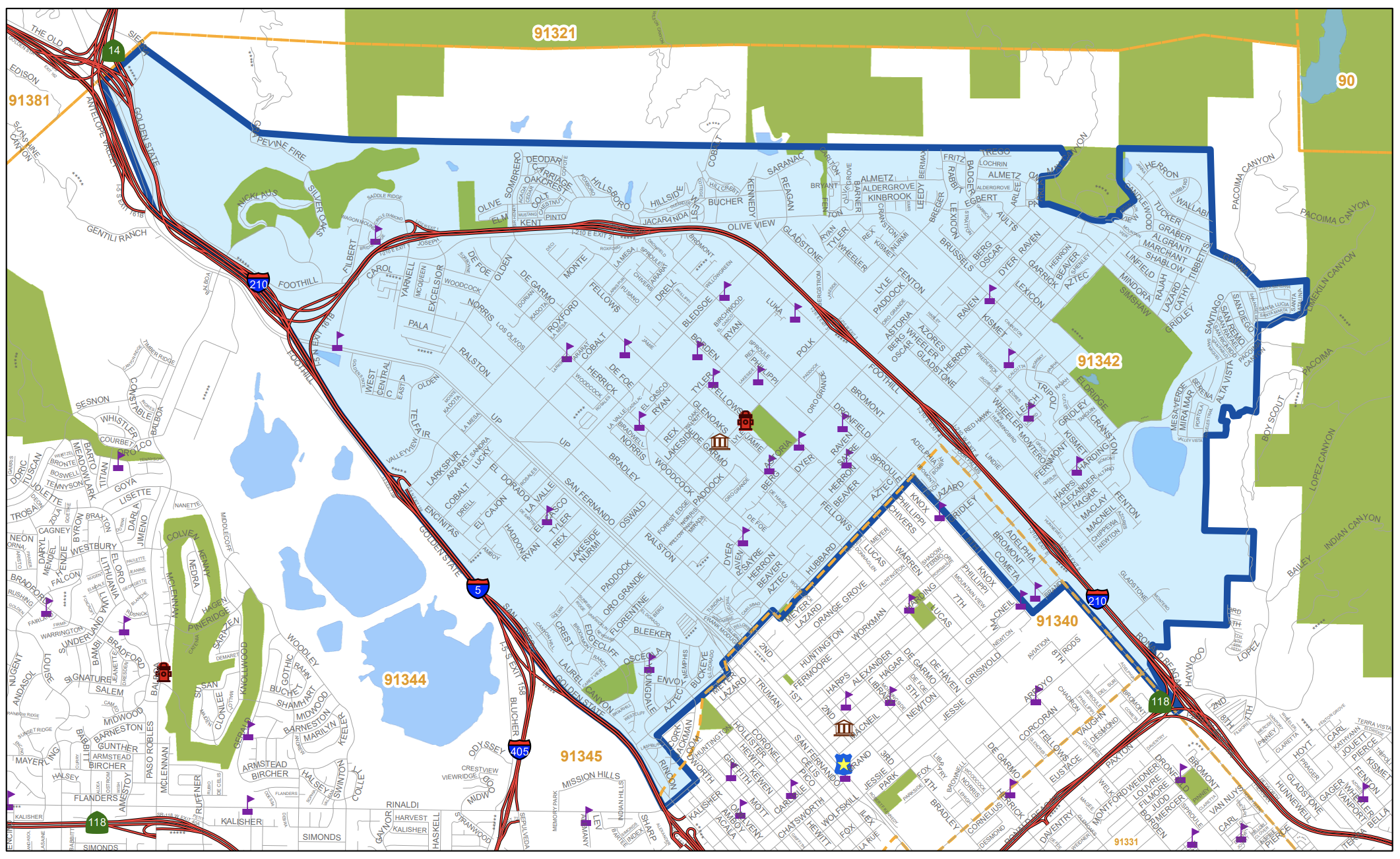
Area Boundaries and Map
View our neighborhood council boundaries for which we deal with.

EMPOWER LA

NEIGHBORHOOD COUNCIL CALENDAR & EVENTS
The public is invited to attend all meetings.

NEIGHBORHOOD COUNCIL FUNDING SYSTEM DASHBOARD
SUBSCRIBE TO NC MEETING NOTIFICATION

Los Angeles Open Data Portal

© 2026 Sylmar Neighborhood Council.