
-
(818) 833-8737
13521 Hubbard St.Sylmar, CA 91342
- Login
Responsible Pet Ownership: Simple Steps That Protect Guide Dogs and Communities
Posted on 02/06/2026
Responsible Pet Ownership: Simple Steps That Protect Guide Dogs and Communities
Credit Guide Dogs for the Blind ////
https://www.guidedogs.com/blog/responsible-pet-ownership
Posted: Thursday, January 08, 2026
Last Updated: Friday, January 09, 2026
Responsible pet ownership means committing to an animal's lifelong physical, emotional, and medical needs, going beyond basic food and shelter to include proper nutrition, regular vet care, training, socialization, exercise, grooming, safety, and more. It's about understanding and meeting a pet's specific needs for a happy, healthy life.
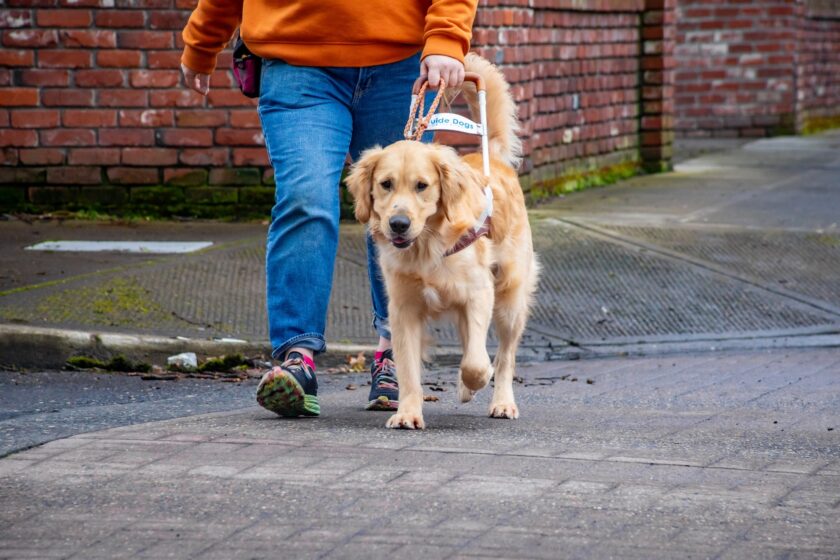
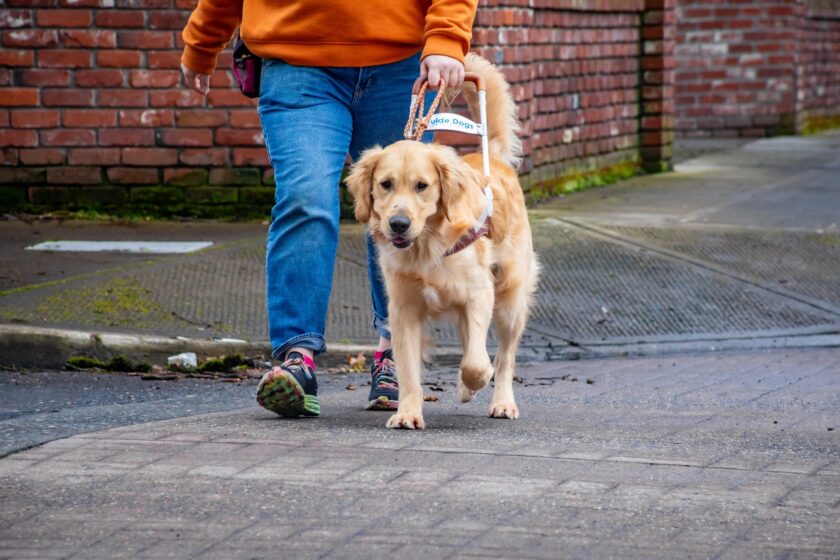
Responsible pet ownership helps create safer neighborhoods for everyone, including people who rely on guide dogs for greater independence and mobility. Guide dogs are highly trained service animals that work every day in public spaces. When pet dogs are well-managed, guide dog teams can move safely and confidently through their communities.
By taking a few simple, proactive steps, pet owners play a key role in protecting working guide dogs and supporting inclusive public spaces.
Why Responsible Pet Ownership Matters
Guide dogs help people who are blind or visually impaired navigate sidewalks, street crossings, public transportation, workplaces, and more. These dogs are trained to focus on their handler and the environment around them.
Uncontrolled pets, whether playful, anxious, or reactive, can interrupt that focus. Responsible pet owners who manage their dogs' behavior help to reduce distractions, prevent stressful encounters, and support public safety for everyone.
Everyday Actions of a Responsible Dog Owner
Responsible pet ownership is about consistency, awareness, and care. These best practices help protect your dog, your neighbors, and guide dog teams.
Keep Your Dog Secure at Home
- Ensure fences are secure and use self-closing gates
- Do not allow your dog to roam freely
- Teach family members to keep doors and gates closed
A secure home environment prevents unexpected encounters in your neighborhood.
Maintain Control in Public Spaces
- Follow local leash laws at all times
- Keep your dog close and under control
- Make sure the person walking your dog can manage them safely
Even calm or friendly dogs should remain leashed around working service animals.
Invest in Training and Socialization
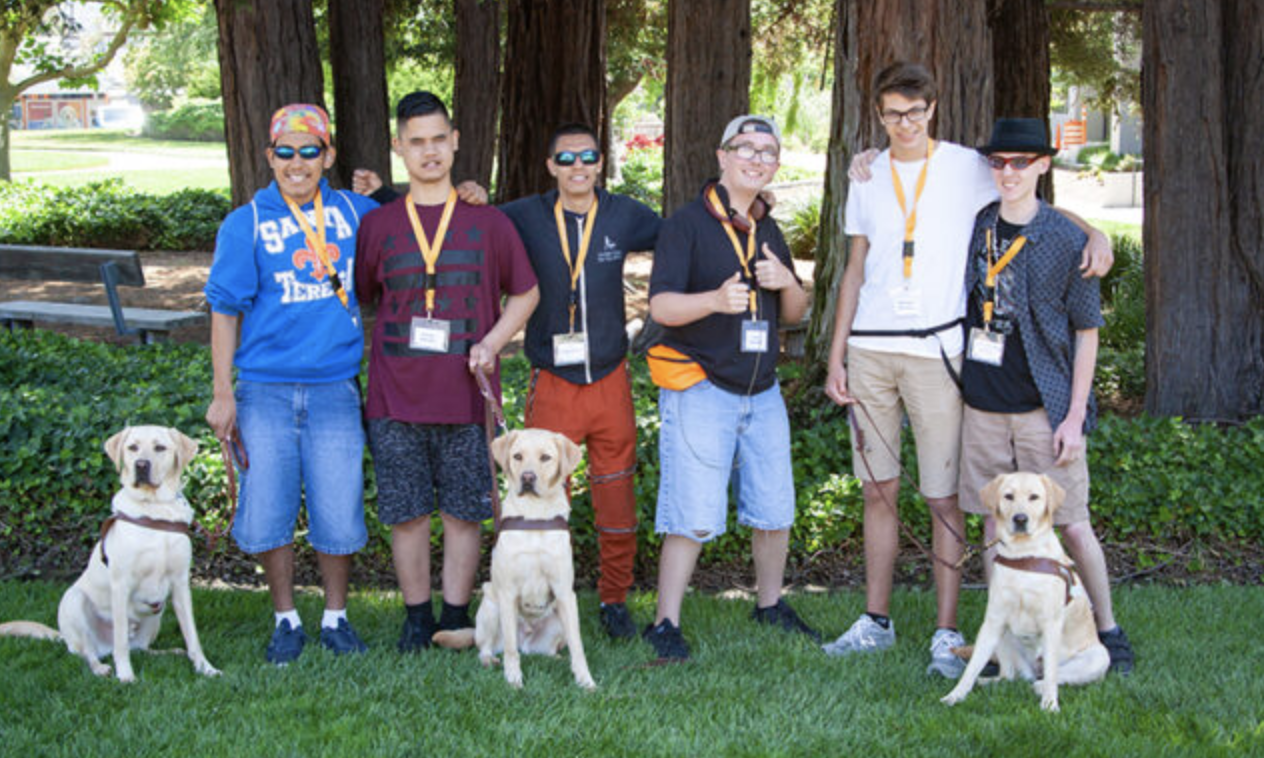
- Enroll in obedience or training classes
- Practice basic cues like sit, stay, and leave it regularly
- Expose your dog to new environments in a controlled way
Training builds confidence and helps dogs respond calmly in public.
Understand Your Dog’s Behavior
- Learn how your dog reacts to other dogs and strangers
- Understand and watch for signs of stress or excitement in your dog
- Avoid situations that overwhelm your dog
Dogs that rush toward others can still create unsafe situations for guide dogs at work, even if they are friendly.
Follow Local Leash and Animal Control Laws
- Know your city or county’s leash requirements
- Respect posted signs in parks and neighborhoods
- Understand that leash laws help protect everyone
These rules exist to keep people, pets, and service animals safe.
Supporting Guide Dog Teams in Public
Guide dogs are legally allowed in all public places in the United States and Canada, including restaurants, stores, transit systems, and airplanes. When you see a guide dog team:
- Do not approach or distract the dog
- Keep your pet at a safe distance
- Teach children to ask before interacting
Giving guide dogs space allows them to stay focused on their important work.
Building Safer Communities Through Responsible Pet Ownership
Responsible pet ownership is a shared responsibility. When dog owners take proactive steps to train their pets, follow leash laws, and stay aware of their surroundings, they help protect guide dog teams and create safer, more welcoming public spaces across the United States.
Small actions make a big difference. Together, we can support the enhanced independence, safety, and confidence of people who rely on guide dogs every day.
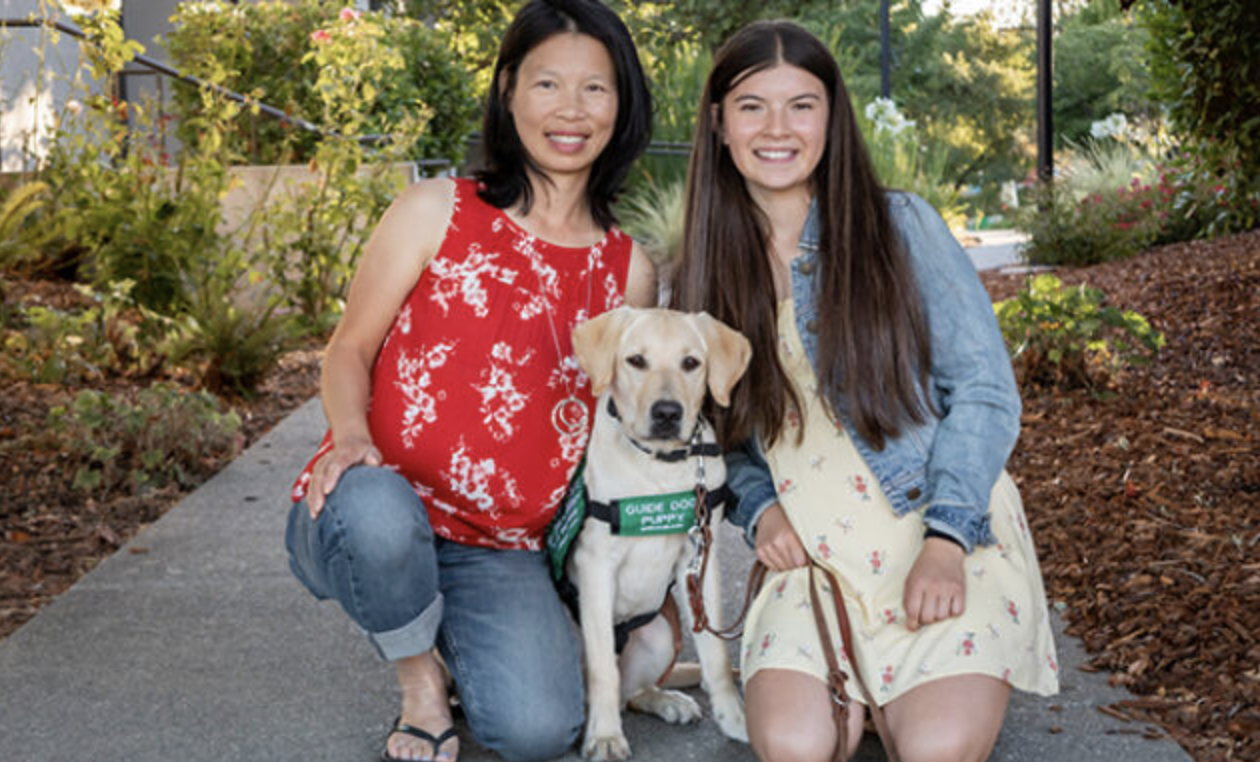
Information Provided by Guide Dogs for the Blind.
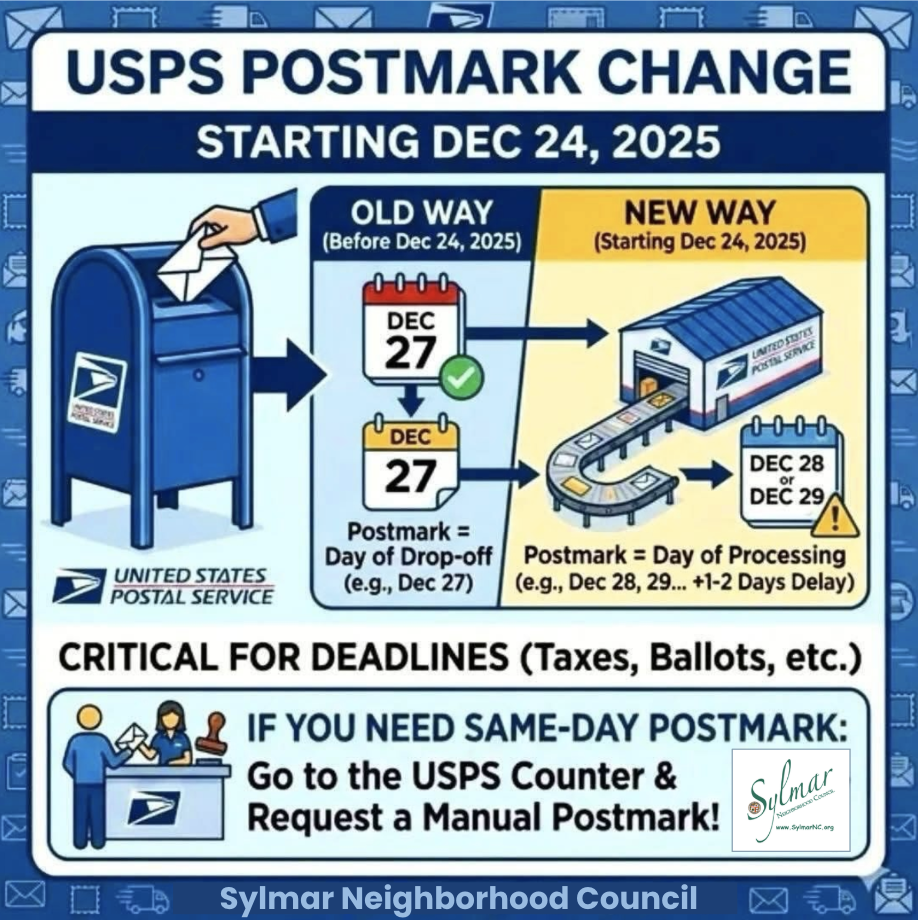
US Post Office Information
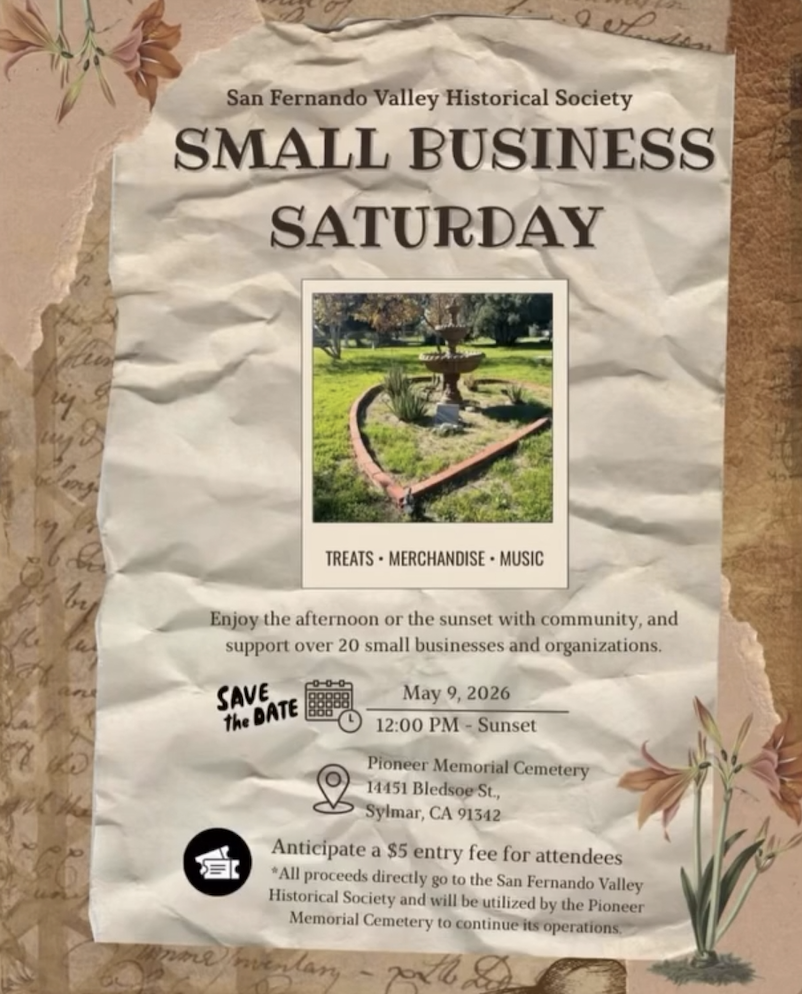
Small Business Saturday • May 9th

Sign-Up • Receive Agendas
Upcoming Meetings & Events
Sylmar Community Calendar
MyLA311


My LA 311
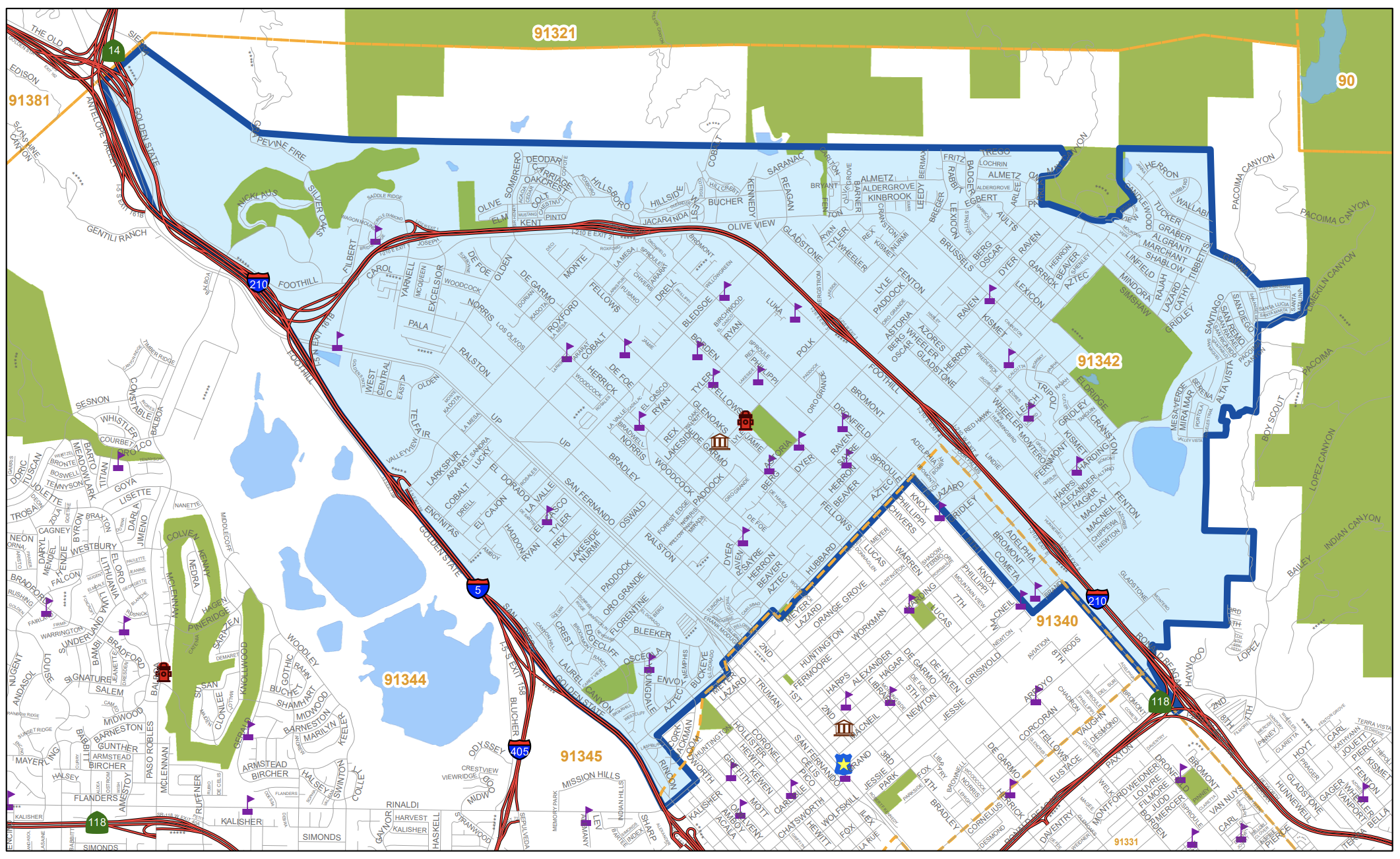
Area Boundaries and Map
View our neighborhood council boundaries for which we deal with.

EMPOWER LA

NEIGHBORHOOD COUNCIL CALENDAR & EVENTS
The public is invited to attend all meetings.
NEIGHBORHOOD COUNCIL FUNDING SYSTEM DASHBOARD
SUBSCRIBE TO NC MEETING NOTIFICATION

Los Angeles Open Data Portal

© 2026 Sylmar Neighborhood Council.