
-
(818) 833-8737
13521 Hubbard St.Sylmar, CA 91342
- Login
High Risk of Fire Fuel in Sylmar's Very High Fire Severity Zone
Posted on 04/07/2026
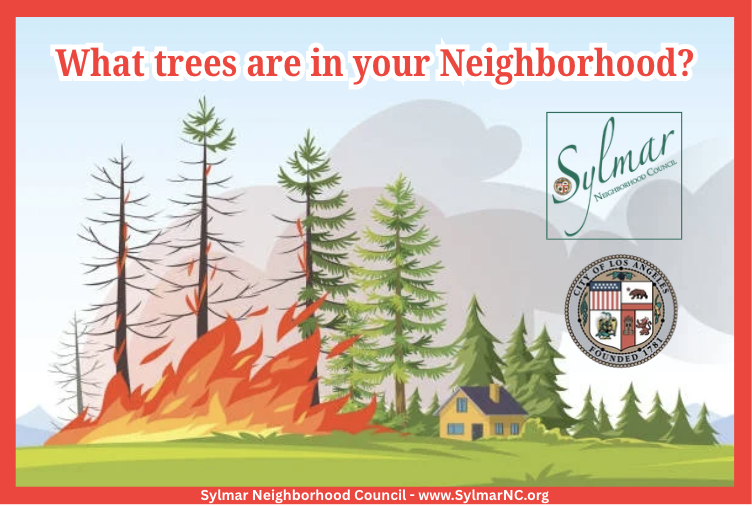
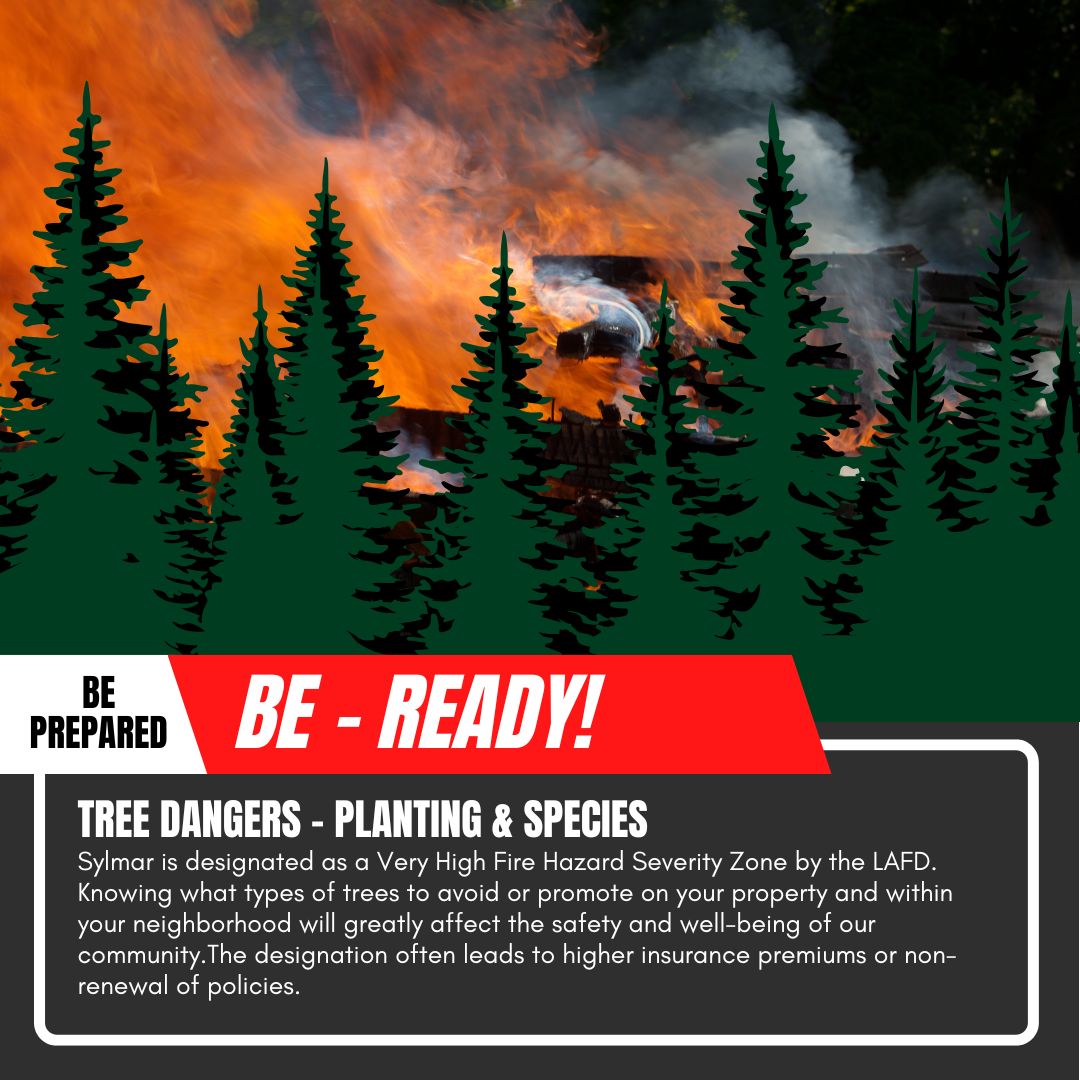
Do you know that Sylmar is designated as a Very High Fire Hazard Severity Zone by the LAFD?
The Designation often leads to higher insurance premiums or non-renewal of policies. There are several things that you may do to your property that may assist you in those dealings, as well as give aid to you and your community by having the awareness and preparedness of known trees that may be EXTREMELY DANGEROUS if caught on fire!
"All of the superlative extremes we've seen in recent years - from extreme heat to extreme -
dryness to extreme wetness and even the severe wildfires - they all have clear links to climate
change", per Daniel Swain, UC climate specialist, LA Times 3/21/26. (Continued below)
From the strong winds and fires of Jan of 2025 to the recent heat wave in March, we know climate change is here.
PLEASE KNOW:
• Italian Cypress: Trees act as a torch; flames can reach 3 times the height of the tree. Italian cypress is a dangerous fire hazard due to dead material inside & oily leaves, burning like Roman candles and spreading embers.
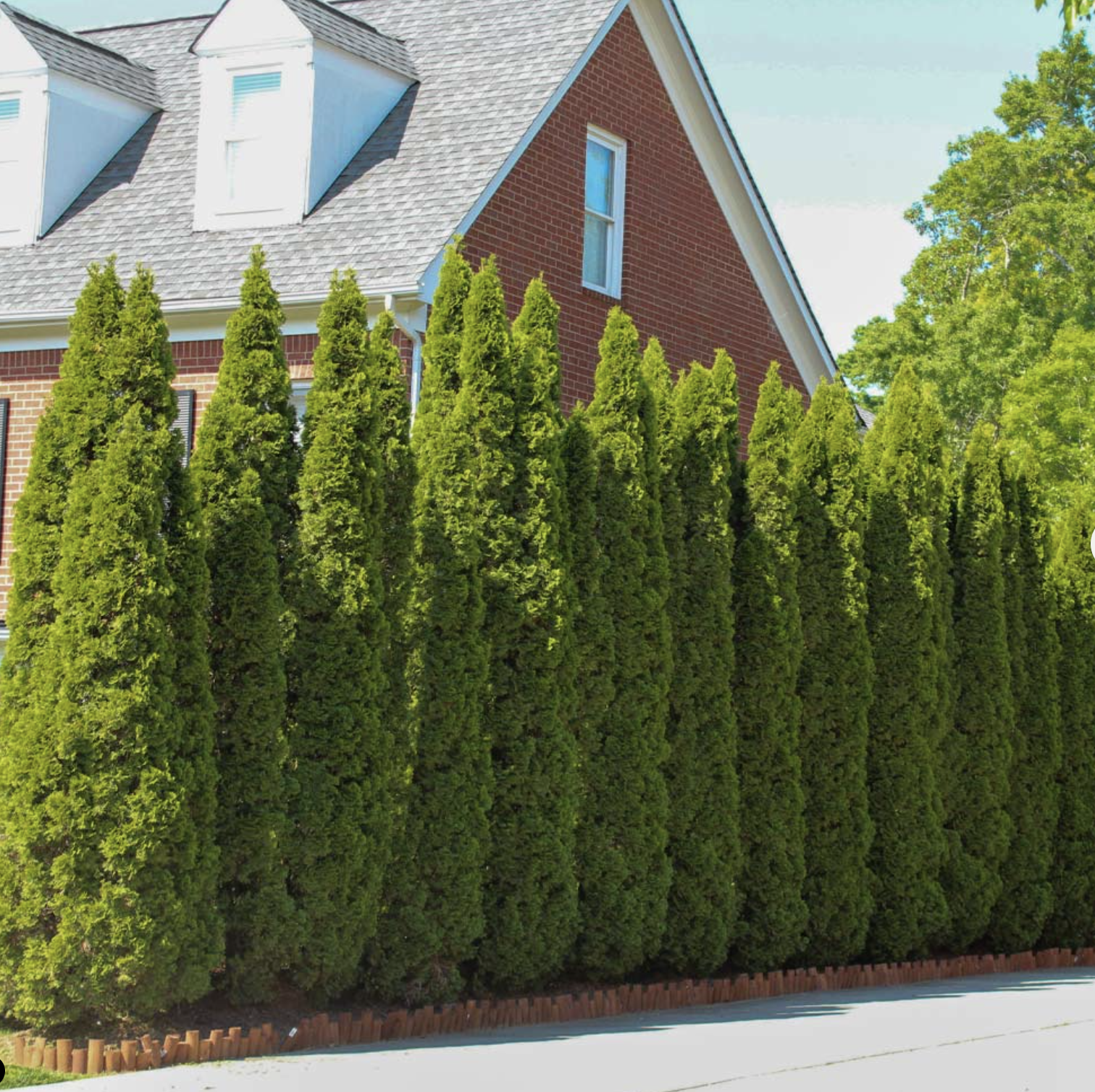
(Italian Cypress above)
• Eucalyptus: Known for shedding bark and high oil content, these non-native trees are among the most notorious for fire spread in L.A. Eucalyptus trees are major fire hazards due to their volatile oils, shed bark, and dense litter, which create "ladder Fuels" that turn trees into "torches" and produce long-range embers.
(Video Eucalyptus on fire - https://www.youtube.com/watch?v=qSv2AtAixGU&t=10s)
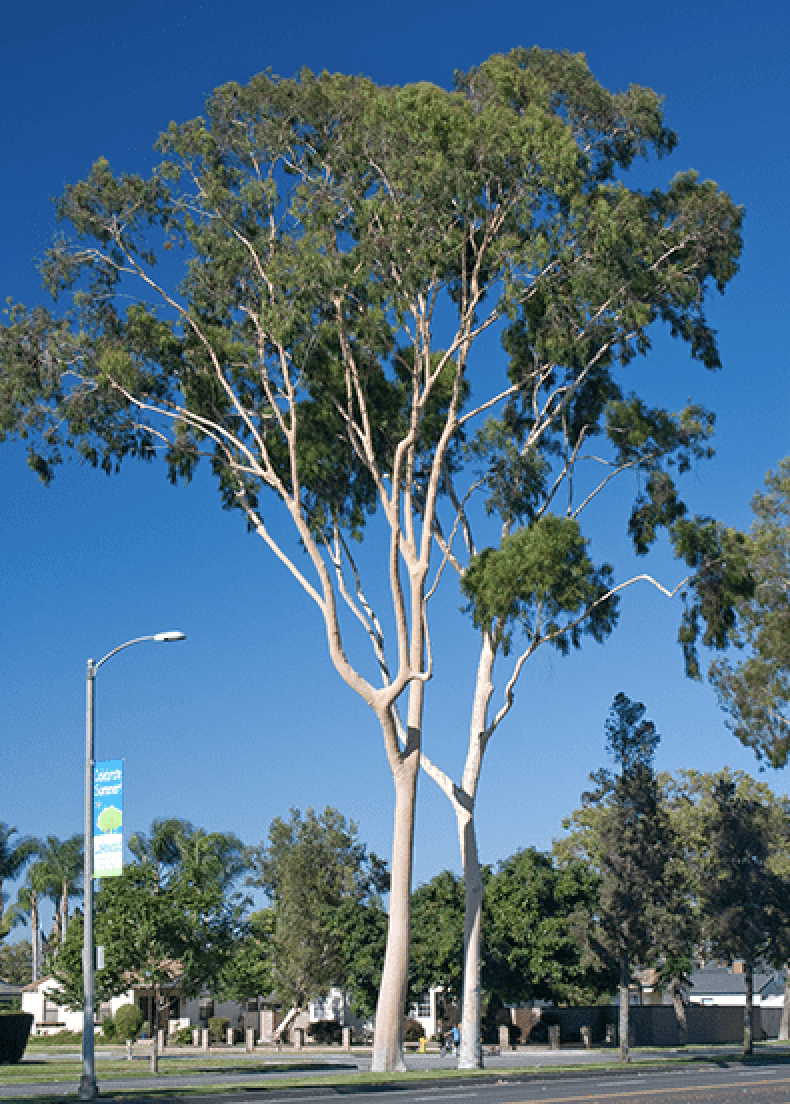
(Eucalyptus above)
• Palms: While iconic, many palms (especially Fan Palms) accumulate dry "skirts" of dead
fronds that can loft fiery debris (embers) hundreds of yards. Many palm species are known to be receptive to embers and, once ignited, are difficult to extinguish. Poorly maintained palms present an even greater hazard in the amount of ember production as well as the size and distance they can travel during wind-driven wildfires.
(Video Palm on Fire - https://www.youtube.com/watch?v=vksMkoKMSHA&t=14s)
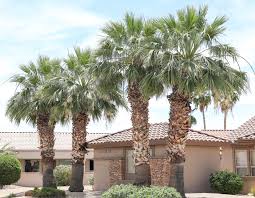
(Palm Trees Above)
• Pines and Conifers: Most conifers, including various pines, are flammable due to resins
and needles that dry out quickly. Pines and conifers have complex relationships with fire, acting as both fire-prone fuel sources and, in some cases, fire-adapted survivors. While many, such as Ponderosa pine, have thick bark designed to survive low-intensity surface fires, high densities and dry conditions can lead to catastrophic, high-severity, stand-replacing crown fires.
(Video Pines and Conifers on Fire - https://www.youtube.com/watch?v=6Hz5Y-10Jns)
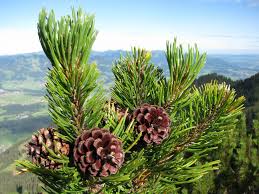
(Pines and Conifers above)
• Juniper & Arborvitae: These shrubs and trees have high resin content and often contain
a lot of hidden dead material inside their canopies. Juniper and arborvitae are highly flammable, "fire-prone plants that pose a significant wildfire risk, often acting as "fuel ladders" that carry flames to roofs. Due to high oil/resin content and dense, dry, dead, interior material, they ignite rapidly, burning with extreme intensity. Experts recommend removing them within 30 feet of structures.
(Video Juniper & Arborvitae on Fire - https://www.facebook.com/watch/?v=1661691380573453)
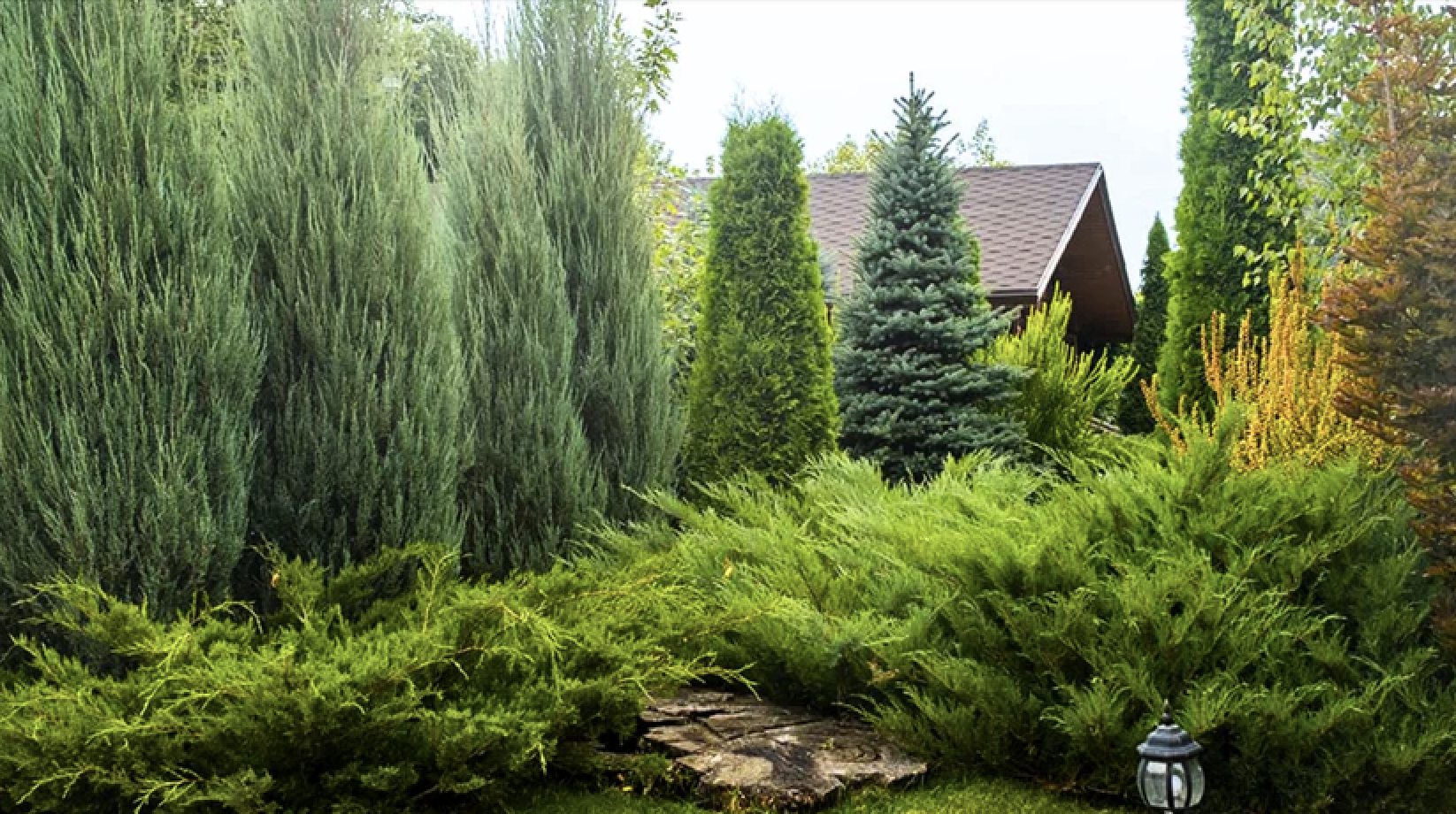
(Juniper & Arborvitae above)
• Acacia: These contain flammable oils and resins, making them a significant risk when
dry. Acacia trees and shrubs are highly fire-hazardous plants, frequently listed as dangerous for defensible space due to their high oil and resin content, which allows them to ignite easily and burn intensely. They often form dense, invasive thickets that increase both the frequency and severity of wildfires.
(Video of Acacia on Fire - https://www.gettyimages.com/detail/video/flames-surround-acacia-tree-as-wild-fire-burns-on-stock-video-footage/633698647)
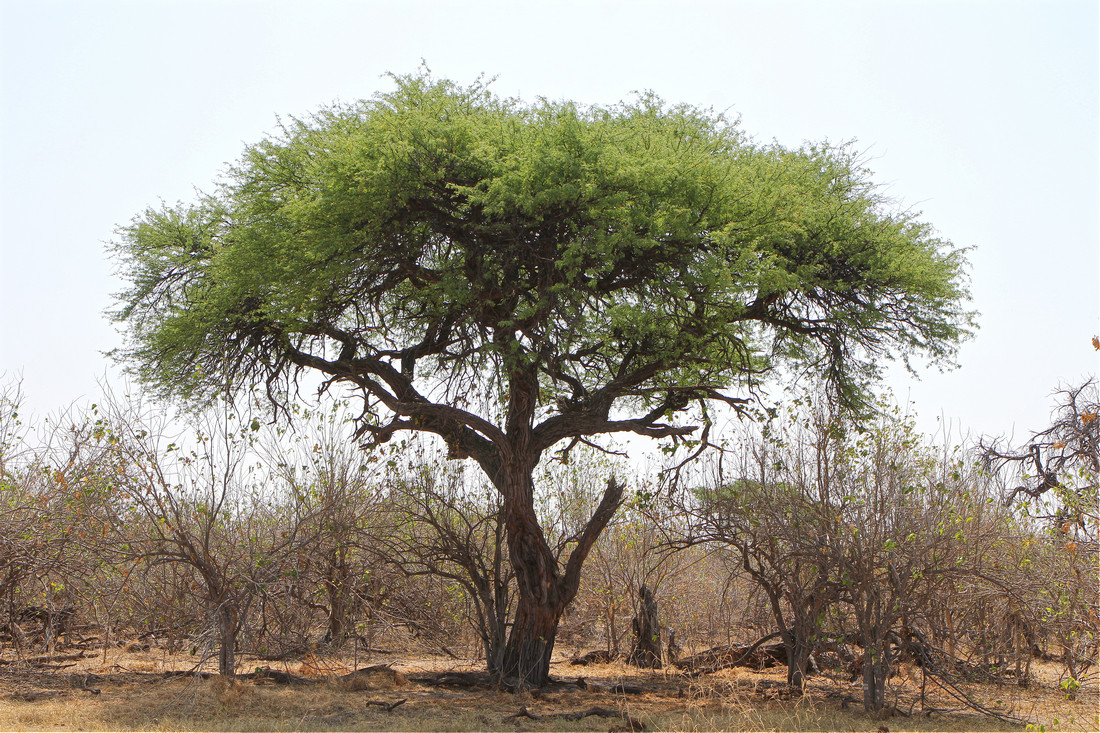
(Acacia above)
- Select Fire-Resistant Species: Choose deciduous hardwoods like oaks and maples, or native shrubs like hazelnut, which have higher moisture content and lower oil/resin levels.
- Spacing and Layout:
- 30-60 feet from structures: Maintain at least 12 feet between canopy tops.
- 60-100 feet from structures: Maintain at least 6 feet between canopy tops.
- Staggered Arrangement: Place trees in a checkerboard pattern to reduce wind-driven ember travel.
- Vertical Spacing (Ladder Fuels): Prune lower branches to 10-15 feet above the ground (or 3x the height of shrubs underneath) to prevent ground fires from climbing into the canopy.
- Irrigation and Maintenance: Keep trees healthy and well-watered, especially during late summer and fall. Remove dead wood, bark, and branches regularly.
- Structure Buffers: Plant trees away from structures and avoid planting directly beneath eaves or near flammable materials.
- Coast Live Oak (Quercus agrifolia): Thick, moist bark offers excellent fire resistance.
- California Buckeye (Aesculus californica): A good native deciduous option when properly maintained.
- Hazelnut (Corylus cornuta): A slow-growing, lower-risk understory tree.
- Redwood (Sequoia sempervirens): Large specimens can be very fire-resistant if lower branches are pruned.
- Sizium piculatum (Magenta Lily): Often recommended as a fire-retarding plant.
- Conifers: Pines, Spruces, and Firs are highly flammable.
- Others: Eucalyptus and Acacia species are high-hazard due to shedding bark and high oil content.
- Remove Lower Branches: Prune branches 6-15 feet from the ground.
- Remove Surface Litter: Clear needles, leaves, and dead wood beneath the tree's drip line.
- Create Defensible Space: Follow the "30-100 foot" rule to keep fire-prone trees away from the home's immediate vicinity.
• Fire-Smart Landscaping
https://www.readyforwildfire.org/prepare-for-wildfire/fire-smart-landscaping/
• LA County Recovers
https://recovery.lacounty.gov/rebuilding/resilient-rebuilding/landscaping/
• Reforestation Services Program
• • Continued "Daniel Swain -
- Role & Expertise: He serves as a climate and weather science liaison, translating complex data for the public and media.
- Research Focus: Swain studies "climate whiplash," focusing on how a warming atmosphere creates drier droughts and more intense, destructive rainstorms, which fuel extreme wildfire seasons.
- Communication: He authors the popular Weather West blog, providing real-time perspectives on California weather.
- Recognition: Named to the 2025 TIME100 Next list for his work as a research scientist and communicator.
- Background: He is an alumnus of UC Davis (B.S.) and Stanford University (Ph.D.).
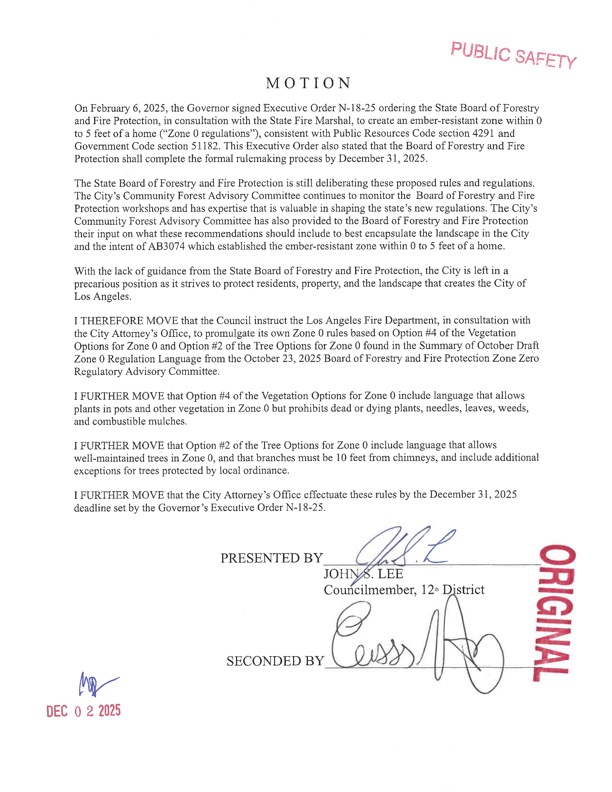
LA City Council Members, on January 13, 2026, unanimously voted in favor of the following motion:
FIRE • Be Ready • Tree Dangers

US Post Office Information
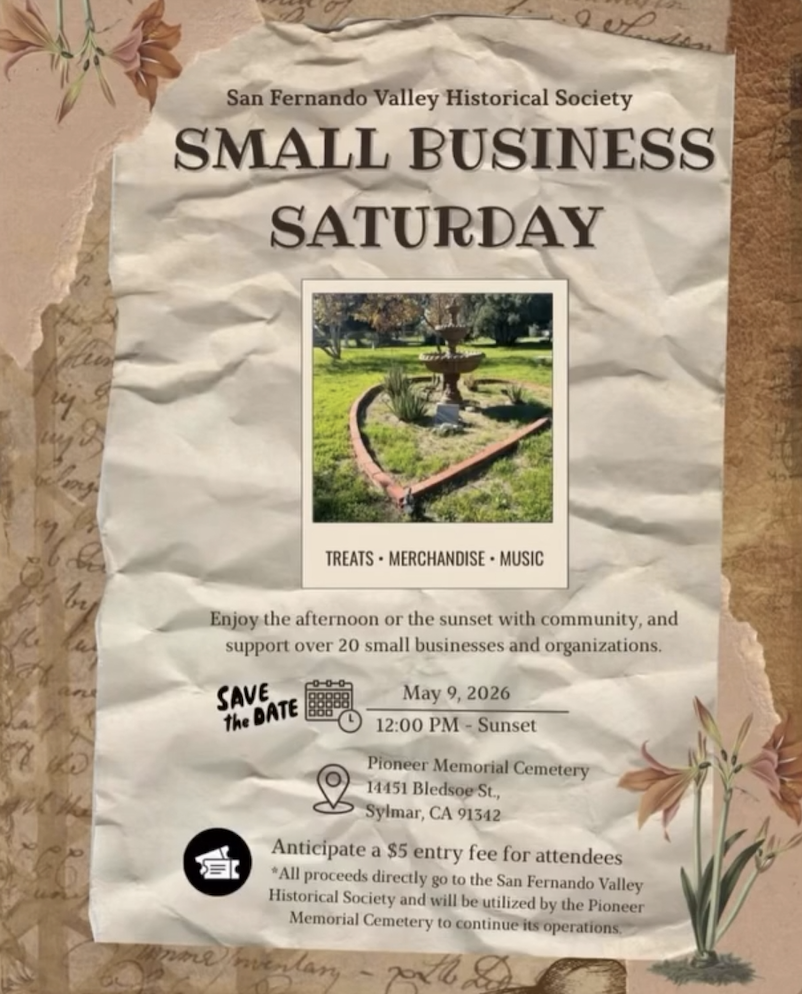
Small Business Saturday • May 9th

Sign-Up • Receive Agendas
Upcoming Meetings & Events

Sylmar Community Calendar


MyLA311



My LA 311
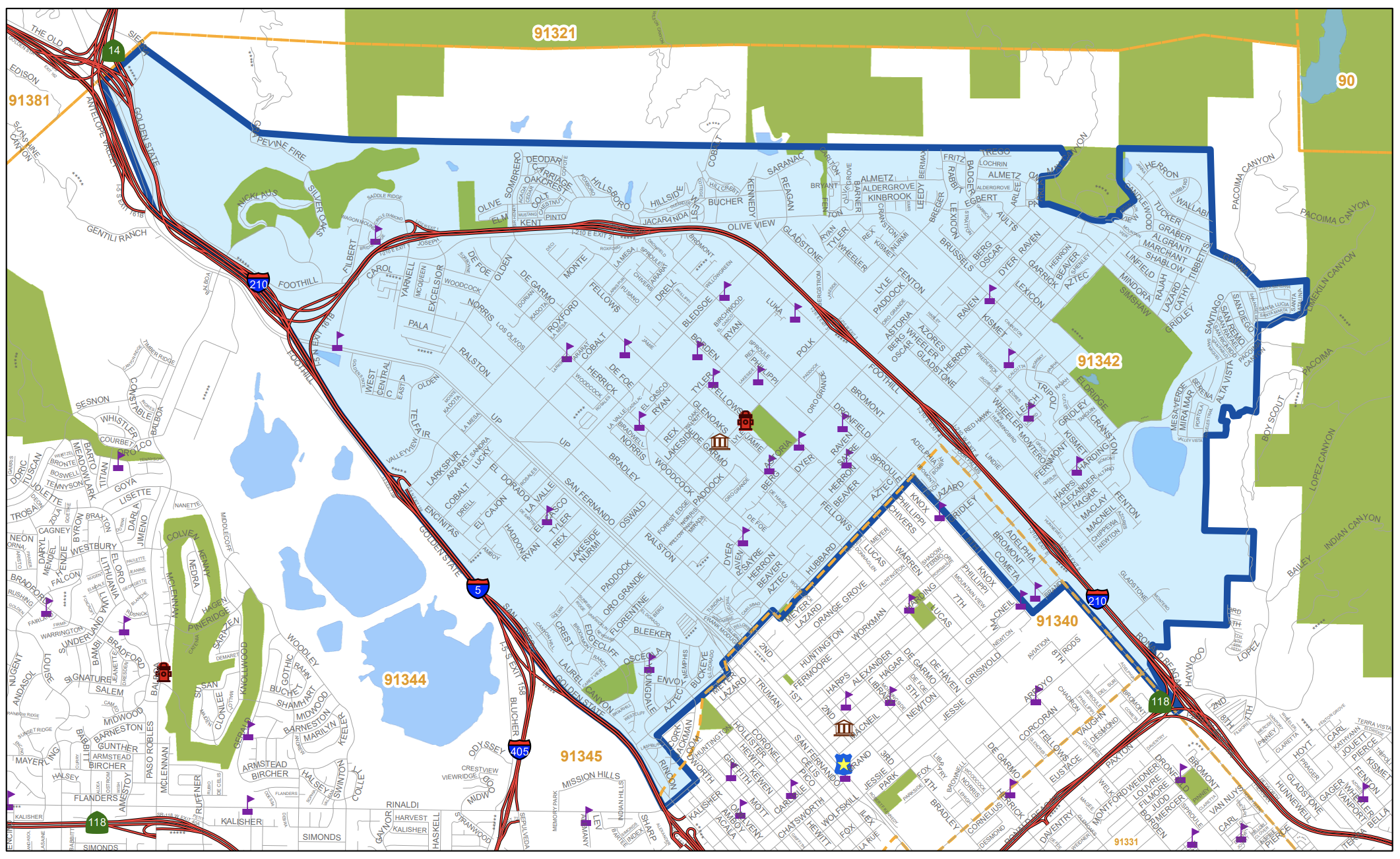
Area Boundaries and Map
View our neighborhood council boundaries for which we deal with.

EMPOWER LA

NEIGHBORHOOD COUNCIL CALENDAR & EVENTS
The public is invited to attend all meetings.

NEIGHBORHOOD COUNCIL FUNDING SYSTEM DASHBOARD

SUBSCRIBE TO NC MEETING NOTIFICATION

Los Angeles Open Data Portal

© 2026 Sylmar Neighborhood Council.