
-
(818) 833-8737
13521 Hubbard St.Sylmar, CA 91342
- Login
L.A. County Responds to Extreme Weather, Approves Heat Action Plan
Posted on 02/03/2026

L.A. County Responds to Extreme Weather, Approves Heat Action Plan
Chief Sustainability Office leads charge in prioritizing cooling spaces for Los Angeles County residents, expanding heat safety education months ahead of the summer heat.
LOS ANGELES, CA – Today, the Los Angeles County Board of Supervisors unanimously approved the County Heat Action Plan – a detailed blueprint that outlines how the County will respond to rising average temperatures and extreme heat events in the coming decades.
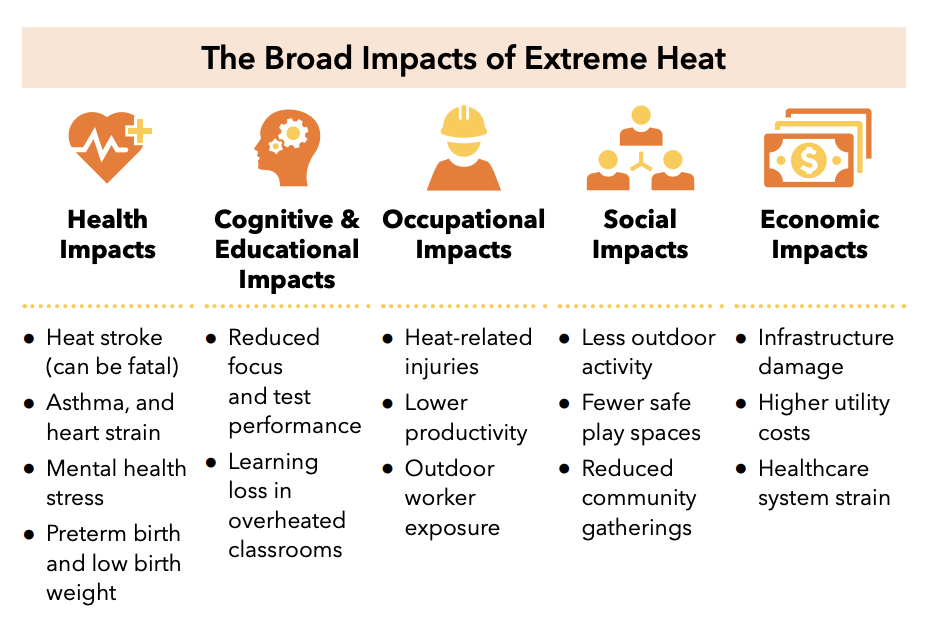
Extreme heat is among the biggest weather-related hazards contributing to more than 200 deaths annually in L.A. County. More frequent extreme-heat days – a byproduct of ongoing climate change – exacerbate health risks, economic burdens, and infrastructure strain, especially in historically underserved communities. 
"The County's Heat Action Plan is not just a blueprint – it's a commitment to support Angelenos as we navigate a rising trend in extreme heat events," said Board of Supervisors Chair and First District Supervisor Hilda Solis. "Now more than ever, the actions we take today to protect our residents will ensure we create cooler and healthier neighborhoods in the future, while advancing heat resilience." 
"The County Heat Action Plan reflects our commitment to climate resilience. I want to thank the residents and local organizations that worked with the Chief Sustainability Office to help inform our efforts to address extreme heat—the leading weather-related killer in the United States," said Board Chair Pro Tem and Second District Supervisor Holly J. Mitchell. "It is only when we prioritize communities most at risk due to systemic disinvestment that we can create healthier, equitable, and more resilient neighborhoods for all."

“The County Heat Action Plan will protect residents—especially renters and families in hotter areas like the San Fernando Valley—who are already bearing the brunt of rising temperatures, limited shade, and inadequate home cooling,” said Third District Supervisor Lindsey P. Horvath. “This plan builds on our first-in-the-nation tenant protections from extreme heat and prioritizes the physical and social infrastructure necessary to adapt to our changing climate.”
“Extreme heat is no longer a once-in-a-while emergency—it’s our new normal and we need to help our neighborhoods adapt,” said Fourth District Supervisor Janice Hahn. “Too often, the communities that feel the heat the most have the fewest resources to escape it. This Heat Action Plan prioritizes cooling centers, shade, and outreach so that seniors, families, and outdoor workers aren’t left behind as temperatures rise.”
“As extreme heat events become more frequent, the County Heat Action Plan is a critical step in protecting our most vulnerable communities," said Fifth District Supervisor Kathryn Barger. "Recent emergencies have shown how weather impacts strain infrastructure and public health systems, especially in parts of the Fifth District where some of the most severe micro-climates impact residents. This plan reaffirms our commitment to cooling strategies and public health protections for individuals who need them most.”
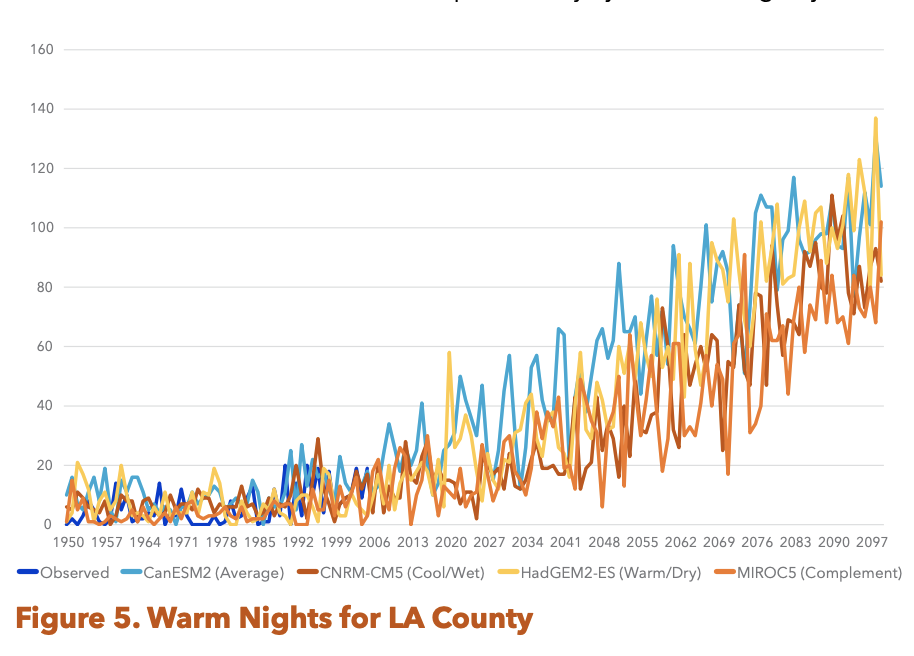
Since the 1980s, annual heatwaves have become much more frequent throughout our region, while average temperatures have risen by 2°F to 3°F. Extreme temperatures increase emergency room visits, reduce access to safe outdoor spaces, and place financial strain on households already struggling with high utility bills. Climate projections suggest this warming will accelerate in the coming decades. Heat already costs the L.A. County nearly $5 billion annually in lost worker productivity, with projected losses more than doubling to $11 billion by 2050.

In response, the County’s Chief Sustainability Office developed the County Heat Action Plan to help neighborhoods, infrastructure and ecosystems keep their cool. 
The County Heat Action Plan centers on three overarching goals:
- Cooling Outdoor Space – Create cooler, more livable outdoor environments through strategic shade, green infrastructure, and heat-reducing surfaces that protect residents and ecosystems.
- Creating Heat-Resilient Indoor Spaces – Promote safe, efficient design and operations for the buildings where County residents live, work, learn, and play.
- Expanding Heat Safety Communications and Programs – Strengthen emergency response and public awareness by expanding outreach, access to cooling centers, and other supportive services during extreme heat events.
The plan details action items for achieving the goals, with specific strategies for implementation and reporting on progress, including: 
- Building more vibrant shade structures in the public right-of-way to reduce exposure and promote livelier street life.
- Maximizing the use of passive cooling and energy-efficient operations in public and private buildings.
- Improving the capacity of the County health system to prepare for, mitigate and respond to extreme heat events.
The plan utilizes cutting-edge data and analyses from UCLA and USC, among other researchers, on community heat conditions and opportunities for adaptation. Along with the County Heat Action Plan, the County has published a new interactive mapping tool that allows planners or residents to easily find local temperature projections, identify high-impact public shading opportunities in their community, and locate cooling sites and other resilience assets in their area.
The plan has been designed for use by County departments and 88 cities to align heat-related actions and as a model for local action. It will also help local community-based groups develop grant proposals and philanthropic organizations identify high-impact investment opportunities.
“The County Heat Action Plan is a call to action. Its success depends on County departments, unincorporated communities, cities, and regional and community stakeholders working together to advance heat resilience,” said Rita Kampalath, the County’s Chief Sustainability Officer. “I invite all of our partners to use the County Heat Action Plan as a shared blueprint for building a cooler, healthier, and more equitable Los Angeles County.”
About the Los Angeles County Chief Sustainability Office
The Los Angeles County Chief Sustainability Office leads cross-departmental efforts to achieve a sustainable L.A. County that advances equity, economic opportunity, and climate resilience, led by the OurCounty Sustainability Plan. It provides policy support and guidance to the Board of Supervisors, County departments, and regional partners to ensure a sustainable future for all County residents.
About the Executive Office of the Los Angeles County Board of Supervisors
The Executive Office provides a multi-functional support role for the Board of Supervisors in administering and managing technology, staffing, procurement, and facilities resources, as well as the publication of information for the Board, various County departments, and the public. The Executive Office also administers and oversees over 30 County commissions and offices, and its mission is to provide excellent customer service and support the Board in achieving its objectives.
Media Contact:
Public Information Office
[email protected]

FIRE! Be Ready! Tree Dangers

US Post Office Information

Small Business Saturday - May 9th

Sign-Up to Receive Agendas
Upcoming Meetings & Events

Sylmar Community Calendar


MyLA311



My LA 311
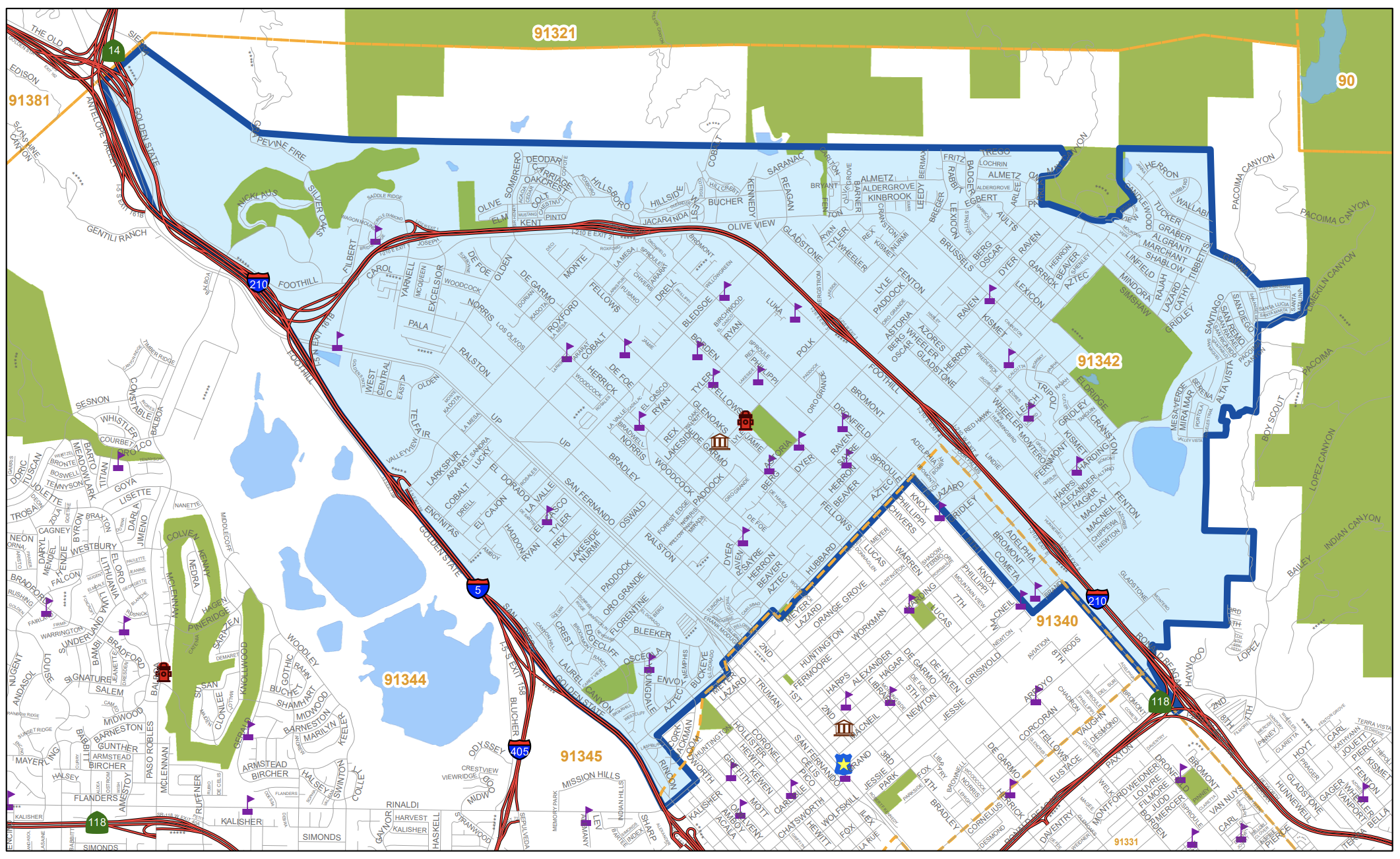
Area Boundaries and Map
View our neighborhood council boundaries for which we deal with.

EMPOWER LA

NEIGHBORHOOD COUNCIL CALENDAR & EVENTS
The public is invited to attend all meetings.

NEIGHBORHOOD COUNCIL FUNDING SYSTEM DASHBOARD

SUBSCRIBE TO NC MEETING NOTIFICATION

Los Angeles Open Data Portal

© 2026 Sylmar Neighborhood Council.